


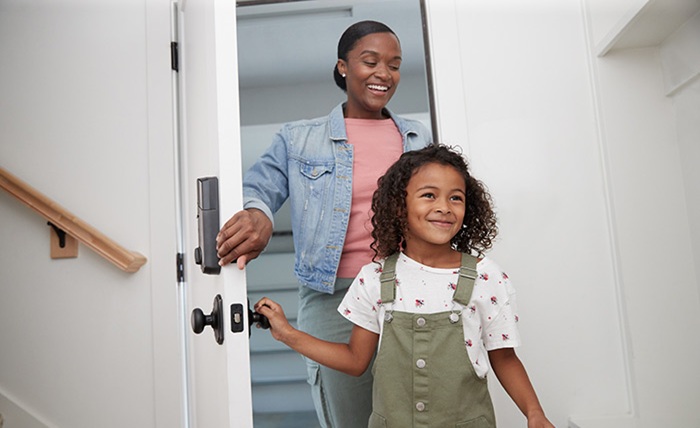
When we think about home security, we usually picture locks, alarms, or maybe an indoor camera system keeping an eye on things. But one of the most important pieces of the puzzle is often overlooked: teaching your kids to understand and take part in keeping your home safe.
Kids can be curious and sometimes forgetful, which means they might leave doors unlocked or open the door to someone they shouldn’t. By taking the time to teach them good security habits early on, you’re not only protecting your home but also giving them skills they’ll carry for life.
The good news is that learning about home security doesn’t have to be boring or scary. In fact, you can make it fun and memorable. Let’s dive into some practical and creative ways to get started.
Start with the Basics
Before introducing more advanced ideas, make sure your kids understand the simplest security basics. Show them how to lock doors and windows properly and explain why it’s important.
If you have an indoor camera system or alarm system, walk them through what it does and how it works. Explain in simple terms that these tools help keep the family safe by letting you see who is at the door or alerting you if something isn’t right.
When they know how these tools work, they’re more likely to respect and use them properly.
Make It Part of the Daily Routine
Security habits stick better when they become part of everyday life. Make locking doors a shared responsibility when coming home from school or after playing outside.
Before going to bed, you can do a “safety sweep” together — checking that doors are locked, windows are shut, and alarms are set. When kids get to help with these tasks regularly, it turns security into a natural part of their day rather than a chore.
Use Role-Playing to Teach Scenarios
Role-playing is a fun and effective way to help kids understand what to do in different situations. Pretend you’re a stranger at the door and practice how they should respond.
Explain that they should never open the door without asking an adult first. You can also act out what to do if the alarm goes off or if they hear an unusual noise in the house.
Practicing these scenarios makes kids feel more prepared and less scared if something unexpected happens.
Talk About Emergencies
Teach kids about emergencies in a calm and reassuring way. Make sure they know important information, like how to call 911 and what to say.
Practice saying your address and phone number until they can remember it easily. Show them where to find emergency contact numbers, and explain who they can trust if they need help.
Talking about these topics doesn’t have to be scary. Frame it as being prepared and smart rather than afraid.
Set Rules for Kitchen and Appliance Safety
Home security isn’t only about keeping people out — it’s also about keeping your child safe inside. Set clear rules about using the kitchen, especially when it comes to sharp objects, hot surfaces, and electrical appliances.
If they’re old enough to use kitchen tools, show them the right way to handle knives and how to safely operate appliances like the microwave or toaster.
For younger kids, it might mean creating a “no-cook zone” unless an adult is present.
Encourage Open Communication
Let your kids know they can always come to you with questions or concerns. If they see someone hanging around the yard or hear a weird noise at night, you want them to feel comfortable telling you right away.
Reassure them that it’s always better to share something that might seem small than to keep it to themselves. Open communication helps you spot potential problems early and makes kids feel included in keeping the home safe.
Use Rewards and Positive Reinforcement
Learning about security can be fun, especially if you include games or small rewards. You might create a sticker chart for locking doors properly or for remembering to check the alarm system.
Positive reinforcement helps make these habits stick and shows kids that being responsible is something to be proud of.
Final Thoughts
Teaching kids practical home security habits is about much more than locks and alarms — it’s about giving them confidence and life skills. By turning security lessons into fun, daily activities, your children will feel more capable and involved.
When kids understand how things like an indoor camera system and alarms work and they’re part of the process, they become your little partners in protecting the home. Over time, these habits will become second nature, setting them up for safe and responsible living even when they’re older.
Start small, keep it positive, and remember that these moments can turn into great bonding opportunities as well. Together, you can make your home not only safer but also a place where everyone feels confident and empowered.
