


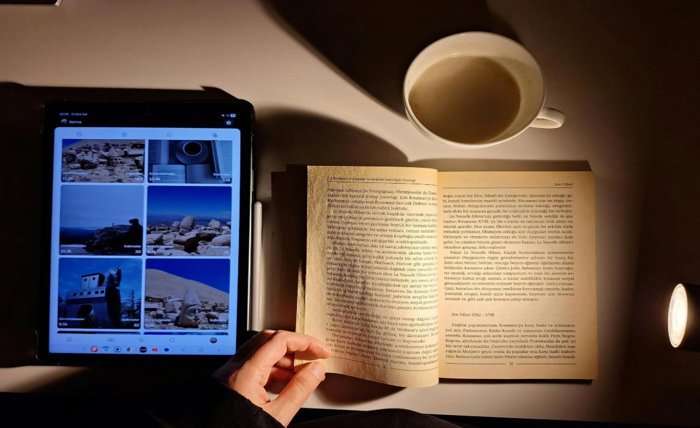
Late nights have a different kind of energy. The world slows down, distractions fade, and suddenly your thoughts become louder than usual. For some, this quiet feels peaceful. For others, it can feel overwhelming.
If you often find yourself awake at night, unable to fully relax, the solution isn’t to force sleep – it’s to gently guide your mind into a calmer state. The right late-night activities can help you unwind, reset, and eventually drift off more naturally.
Why Late Nights Can Feel Overwhelming (and How to Calm Your Mind)
At night, there are fewer distractions to occupy your attention. This is why thoughts about work, relationships, or future plans tend to surface more intensely.
Your brain shifts into reflection mode, and without active engagement, it can easily spiral into overthinking. The key isn’t to suppress these thoughts but to redirect your focus in a gentle, calming way.
Create a Calm Environment Before You Do Anything Else
Before choosing any activity, your surroundings matter.
Soft lighting, a comfortable space, and reduced noise can instantly signal your brain that it’s time to relax. Even small adjustments – like dimming the lights or changing your posture – can create a noticeable shift in your mood.
Listen to Soothing Music or Ambient Sounds
Sound plays a powerful role in relaxation. Calm music, rain sounds, or white noise can help slow down your thoughts and create a peaceful mental space.
When your environment feels steady and predictable, your mind follows the same rhythm. Over time, these sounds can even become a signal for your body to prepare for sleep.
Try Light Reading to Shift Your Focus
Reading at night can act as a gentle distraction from racing thoughts. It gives your mind something to focus on without overwhelming it.
The key is to choose content that feels easy and comforting. Avoid anything too intense or emotionally charged. A slow-paced book or a simple article can help your mind gradually settle.
Practice Deep Breathing or Simple Meditation
Sometimes your body is tired, but your mind isn’t ready to slow down. This is where breathing techniques can help.
A simple breathing pattern can bring your focus back to the present and reduce mental noise. According to the National Center for Complementary and Integrative Health, relaxation techniques such as mindfulness and controlled breathing can help improve sleep quality and reduce nighttime restlessness.
Take a Break from Screens and Digital Noise
It’s tempting to scroll through your phone when you can’t sleep, but this often makes things worse.
According to Harvard Health, exposure to blue light at night can interfere with melatonin production and disrupt your natural sleep cycle.
Instead of helping you unwind, screens keep your brain alert and delay relaxation.
Engage in a Relaxed Conversation to Ease Your Mind
Sometimes, the most effective way to unwind is simply talking to someone. A calm, pressure-free conversation can help you feel grounded and less alone during quiet hours.
Late-night conversations tend to be more open and relaxed, making them a great way to release stress. Whether it’s a quick chat with someone you know or exploring new ways to connect, even a few minutes of conversation can shift your mood.
For those who prefer more familiar or culturally comfortable interactions, options like phone chatline offer a simple way to connect and unwind without pressure. The focus isn’t on anything complicated – it’s just about having a real, easy conversation that helps you relax.
Explore Low-Effort Activities That Don’t Require Energy
If you feel restless but not tired, light activities can help release that energy without overstimulating your mind.
Simple things like organizing a small space, writing a few thoughts, or doing something mildly creative can bring a sense of calm. These activities keep your mind engaged just enough to prevent overthinking.
Listen to Podcasts or Late-Night Talk Shows
If silence feels uncomfortable, audio content can be a helpful middle ground.
Podcasts or talk shows give your mind something to follow without requiring full attention. Choosing slower, more conversational content can help you relax while still feeling mentally engaged.
Step Outside or Sit Quietly for a Few Minutes
Sometimes, a change of environment is all you need.
Stepping outside, even briefly, can help reset your senses. The cool air, quiet surroundings, and slower pace of the night can create a calming effect that’s hard to replicate indoors.
Avoid Overthinking and Let Go of Sleep Pressure
One of the biggest barriers to sleep is the pressure to fall asleep quickly.
The more you think, “I need to sleep now,” the more your mind resists. Letting go of that pressure can make a big difference. Instead of forcing sleep, focus on relaxing activities and allow your body to rest naturally.
Build a Night Routine That Helps You Unwind Faster
Consistency is key when it comes to relaxation. A simple nighttime routine can train your body to recognize when it’s time to wind down.
This doesn’t have to be complicated. It can be as simple as dimming the lights, listening to calming sounds, or spending a few minutes in quiet reflection.
Over time, these habits create a natural rhythm that makes falling asleep easier.
Conclusion
Late nights don’t have to feel frustrating or unproductive. With the right approach, they can become a time to relax, reflect, and reset.
Whether it’s through calming sounds, light activities, or meaningful conversations, small choices can make a big difference in how you feel. Instead of fighting the quiet, learn to work with it – and let relaxation come naturally.
Sleep often follows when your mind finally feels at ease.
