


Growth of the Senior Population
Due the unique demographic trend of baby boomers and a lower population growth rate in the generations that followed, the senior population has some eye-opening statistics that society may not recognize. Key numbers include:
- The number of people over 60 will increase from 1 billion in 2020 to 1.6 billion in 2030
- Before 2070, the number of those over 65 will be higher than the number under 65
- By 2050 the share of the population will increase to 22%
- Even in 2020 the number of people over 60 are higher than the number of children under 5
These facts globally mean the time for making future decisions on the unique issues of this population is now. The numbers are staggering, and the impacts aren’t always obvious.
Increase In Treatment of Various Diseases
At the same time as the population gets older, the treatment of diseases associated with geriatric populations is getting better. While this is a positive outcome in terms of quality of life, it doesn’t work out when the number of doctors isn’t increasing, and with the number of residencies being limited then there’s no reason to believe the availability will increase. Even a change in residencies today wouldn’t make up for the number of students in medical schools, making this a decade long change if not more if action were taken today to increase the number of doctors.
A relief valve has been attempted to increase medical services by empowering physicians’ assistants, nurses, nurse practitioners, therapists, counselors, and other professionals to provide medical services. Unfortunately, these are typically aimed at lower complexity cases, meaning it won’t keep up with increased demands as new treatments for chronic diseases come through.
As the geriatric population increases, new treatments are being discovered, and continually more complex treatments are needed. Unfortunately, the doctors just aren’t there, taking the “care” out of healthcare.
Polypharmacy – a unique issue
A uniquely more serious issue in the geriatric population is polypharmacy, or the use of multiple medications. Polypharmacy is typically defined as being on five or more prescription medications at once. The facts on polypharmacy can be eye opening –
- An analysis of 57 million elderly individuals found that 39.1% of seniors in the US and Europe were on at least 5 medications or more and 13.3% are on 10 or more medications
- Patients over 65 years old are 14% of the US population but make up one third of prescribed medications
- The numbers are increasing in each continual analysis as the focus on treatment moves from treatment in hospitals to treatment at home, as it’s been found that the longer an elderly patient spends in a hospital the less likely they are to return to regular life
Polypharmacy can treat multiple fatal diseases, but at the same time requires a high level of knowledge of how medications can interact, and how different diseases that present similarly can be differentiated. Polypharmacy can lead to up to a 60% increase in hospital admission rate, meaning the tight rope must be walked for both the best patient outcome and the best provider outcome.
Difficulty Getting Appointments and Finding Doctors Leads to Telemedicine
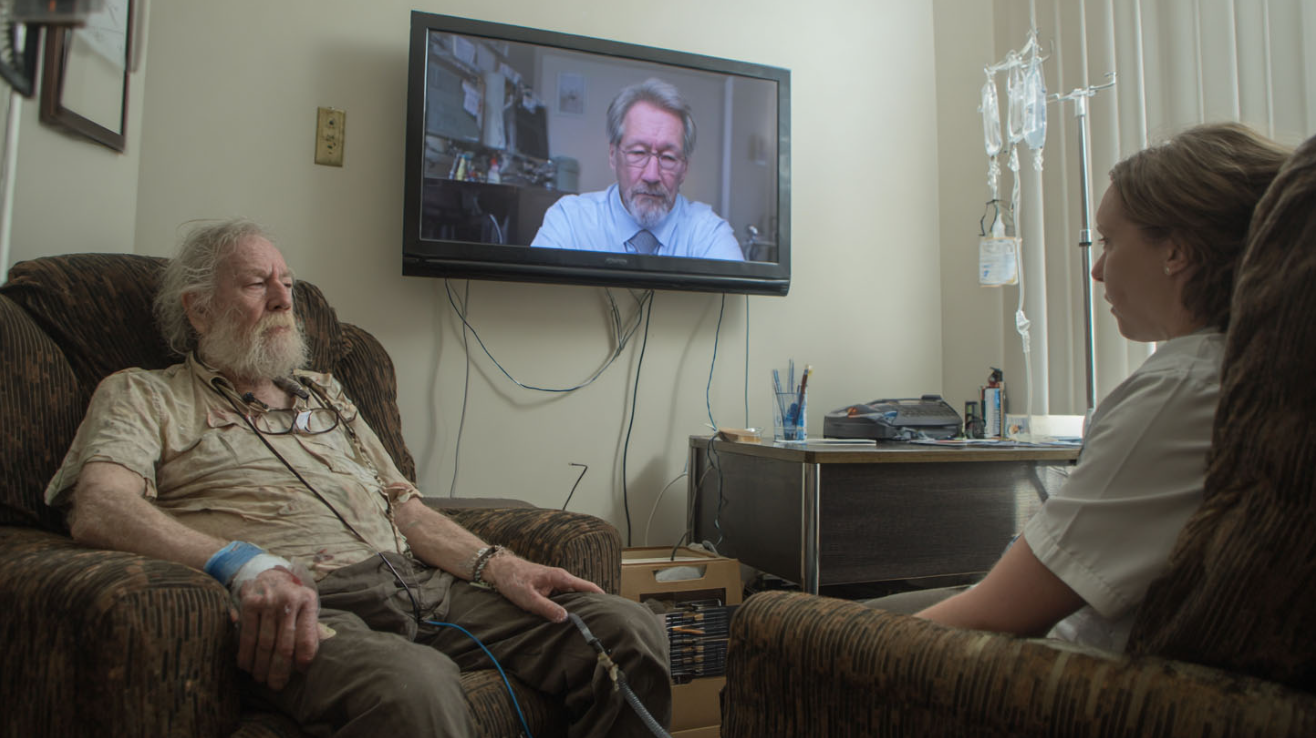
Telemedicine, sometimes referred to as telemed, is a new use of tools to see patients over two-way video conference with the patient either in a medical office (sometimes a non-traditional provider such as a nursing home or remote clinic office) or at their home. The standards are the same, and providers must still be licensed in the state and follow the same guidelines but are also able to provide the same treatment such as ordering labs or prescribing medications.
The use of telemedicine predates the pandemic and has been used to create availability in environments or locations where specialists typically aren’t available. Geriatric populations often require specialists in many fields, ranging from geriatric endocrinology to geriatric psychiatry, but these specialists are in short supply and often only available in large metropolitan areas. Sometimes a visit would require transport from a hospice or assisted living facility; at other times appointments just aren’t available. The result is a lower quality of care, and the difficulty in finding doctors who will come on site to visit patients means treatments are postponed or performed by someone who does not specialize in each field.
Even when a provider is found who is a specialist and will come out to a facility, the costs often aren’t covered by typical Medicare insurance. With these providers in high demand, they’ll require fees that aren’t contracted, and as a result the ability of geriatric populations to receive the highest quality of care is limited to those who can afford an open ended cost.
Telemedicine has been found to have similar outcomes and patient satisfaction as in person visits, and the logistics are a major improvement in elderly populations.
Telepsychiatry – An Example Case
One of the primary fields embracing this new technology is telemed behavioral health. A post pandemic poll found that over 90% of mental health providers have used telemedicine to see patients in either an outpatient or inpatient basis, a number much higher than any other specialty that deals with patients in a face-to-face manner. On site staff at an assisted living facility can take basic vital measurements, leaving the psychiatrist or psychiatric nurse practitioner that focuses on geriatric psychiatry to speak to the patient directly and without worrying about possible missed physical symptoms.
Many primary care providers are not familiar or comfortable with mental health treatment, and with the rise of polypharmacy it’s often difficult to differentiate between physical and mental health symptoms. By using the expertise of specialists from companies that focus in this field of telemedicine, such as FasPsych, the patient has a lower likelihood of complications and a better understanding of what is being treated as a mental health issue versus comorbidities in physical health issues. Both mental health providers and physical health providers play important roles in health outcomes, and by working together they can ensure the highest possible quality of life for elderly patients and make sure all their possible issues are being addressed.
The Future of Telemedicine
The future of telemedicine looks bright and is only getting better as more remote treatment solutions are brought to light. In the USA, advocacy groups such as CTEL ensure that government agencies take this new form of treatment seriously, and government agencies have responded by continually increasing the roles allowed by telemedicine. Telemed didn’t end with the pandemic – it’s here to stay, and that benefits everyone from patients to medical health professionals alike.
Growth of the Senior Population
Due the unique demographic trend of baby boomers and a lower population growth rate in the generations that followed, the senior population has some eye-opening statistics that society may not recognize. Key numbers include:
- The number of people over 60 will increase from 1 billion in 2020 to 1.6 billion in 2030
- Before 2070, the number of those over 65 will be higher than the number under 65
- By 2050 the share of the population will increase to 22%
- Even in 2020 the number of people over 60 are higher than the number of children under 5
These facts globally mean the time for making future decisions on the unique issues of this population is now. The numbers are staggering, and the impacts aren’t always obvious.
Increase In Treatment of Various Diseases
At the same time as the population gets older, the treatment of diseases associated with geriatric populations is getting better. While this is a positive outcome in terms of quality of life, it doesn’t work out when the number of doctors isn’t increasing, and with the number of residencies being limited then there’s no reason to believe the availability will increase. Even a change in residencies today wouldn’t make up for the number of students in medical schools, making this a decade long change if not more if action were taken today to increase the number of doctors.
A relief valve has been attempted to increase medical services by empowering physicians’ assistants, nurses, nurse practitioners, therapists, counselors, and other professionals to provide medical services. Unfortunately, these are typically aimed at lower complexity cases, meaning it won’t keep up with increased demands as new treatments for chronic diseases come through.
As the geriatric population increases, new treatments are being discovered, and continually more complex treatments are needed. Unfortunately, the doctors just aren’t there, taking the “care” out of healthcare.
Polypharmacy – a unique issue
A uniquely more serious issue in the geriatric population is polypharmacy, or the use of multiple medications. Polypharmacy is typically defined as being on five or more prescription medications at once. The facts on polypharmacy can be eye opening –
- An analysis of 57 million elderly individuals found that 39.1% of seniors in the US and Europe were on at least 5 medications or more and 13.3% are on 10 or more medications
- Patients over 65 years old are 14% of the US population but make up one third of prescribed medications
- The numbers are increasing in each continual analysis as the focus on treatment moves from treatment in hospitals to treatment at home, as it’s been found that the longer an elderly patient spends in a hospital the less likely they are to return to regular life
Polypharmacy can treat multiple fatal diseases, but at the same time requires a high level of knowledge of how medications can interact, and how different diseases that present similarly can be differentiated. Polypharmacy can lead to up to a 60% increase in hospital admission rate, meaning the tight rope must be walked for both the best patient outcome and the best provider outcome.
Difficulty Getting Appointments and Finding Doctors Leads to Telemedicine
Telemedicine, sometimes referred to as telemed, is a new use of tools to see patients over two-way video conference with the patient either in a medical office (sometimes a non-traditional provider such as a nursing home or remote clinic office) or at their home. The standards are the same, and providers must still be licensed in the state and follow the same guidelines but are also able to provide the same treatment such as ordering labs or prescribing medications.
The use of telemedicine predates the pandemic and has been used to create availability in environments or locations where specialists typically aren’t available. Geriatric populations often require specialists in many fields, ranging from geriatric endocrinology to geriatric psychiatry, but these specialists are in short supply and often only available in large metropolitan areas. Sometimes a visit would require transport from a hospice or assisted living facility; at other times appointments just aren’t available. The result is a lower quality of care, and the difficulty in finding doctors who will come on site to visit patients means treatments are postponed or performed by someone who does not specialize in each field.
Even when a provider is found who is a specialist and will come out to a facility, the costs often aren’t covered by typical Medicare insurance. With these providers in high demand, they’ll require fees that aren’t contracted, and as a result the ability of geriatric populations to receive the highest quality of care is limited to those who can afford an open ended cost.
Telemedicine has been found to have similar outcomes and patient satisfaction as in person visits, and the logistics are a major improvement in elderly populations.
Telepsychiatry – An Example Case
One of the primary fields embracing this new technology is telemed behavioral health. A post pandemic poll found that over 90% of mental health providers have used telemedicine to see patients in either an outpatient or inpatient basis, a number much higher than any other specialty that deals with patients in a face-to-face manner. On site staff at an assisted living facility can take basic vital measurements, leaving the psychiatrist or psychiatric nurse practitioner that focuses on geriatric psychiatry to speak to the patient directly and without worrying about possible missed physical symptoms.
Many primary care providers are not familiar or comfortable with mental health treatment, which is sometimes called telepsych when done through videoconference, and with the rise of polypharmacy it’s often difficult to differentiate between physical and mental health symptoms. By using the expertise of specialists from companies that focus in this field of telemedicine, such as FasPsych, the patient has a lower likelihood of complications and a better understanding of what is being treated as a mental health issue versus comorbidities in physical health issues. Both mental health providers and physical health providers play important roles in health outcomes, and by working together they can ensure the highest possible quality of life for elderly patients and make sure all their possible issues are being addressed.
The Future of Telemedicine
The future of telemedicine looks bright and is only getting better as more remote treatment solutions are brought to light. In the USA, advocacy groups such as CTEL ensure that government agencies take this new form of treatment seriously, and government agencies have responded by continually increasing the roles allowed by telemedicine. Telemed didn’t end with the pandemic – it’s here to stay, and that benefits everyone from patients to medical health professionals alike.
