


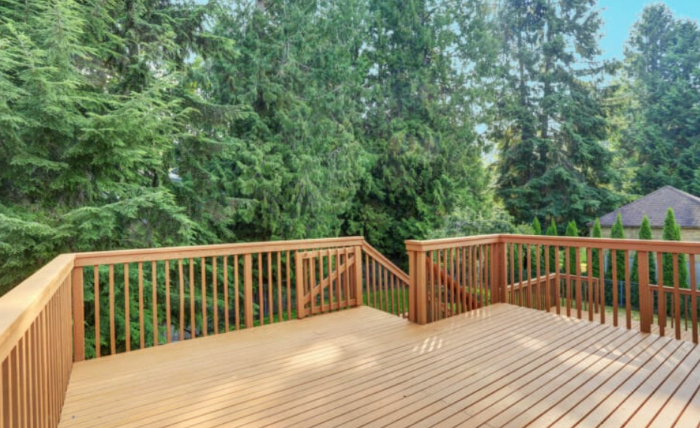
A well-designed deck can transform your backyard into a functional and inviting outdoor space, perfect for relaxation, entertaining, and increasing property value. If you’re a homeowner in Baltimore considering adding a deck, careful planning is key to ensuring a successful project. From choosing the right size and materials to integrating your deck seamlessly with your home and landscape, here are the essential planning steps to guide you through the process.
1. Define Your Deck’s Purpose and Size
Before you start designing, think about how you plan to use your deck. Will it be a quiet retreat with a few chairs and a table, or do you envision a larger entertainment space with seating, lighting, and a built-in grill? Understanding its primary function will help determine the ideal size and layout.
Consider:
- Seating Capacity:How many people will use the deck regularly?
- Features & Add-ons:Will you need space for a fire pit, outdoor kitchen, or hot tub?
- Future Expansion:Do you want the option to extend the deck later?
A well-planned deck balances functionality and proportion, ensuring it complements both your home and your yard.
2. Choose the Right Location
Selecting the right spot for your deck is crucial. Many homeowners opt for a deck adjacent to the living room or kitchen for easy access, but other locations might better suit your lifestyle and property layout.
Factors to consider:
- Sunlight & Shade:Observe how the sun moves across your yard to determine whether your deck will get too much or too little sunlight.
- Privacy:Think about how visible your deck will be from neighboring properties and whether you’ll need screens or greenery for privacy.
- Wind Patterns:A deck positioned in a windy area may require additional barriers or windbreaks.
- Views:Maximize scenic views while minimizing exposure to unsightly areas.
3. Select the Best Materials for Your Deck
Choosing the right materials impacts both the look and longevity of your deck. Homeowners in Baltimore should consider materials that withstand seasonal changes, from humid summers to icy winters.
Common deck material options:
- Pressure-Treated Wood:A cost-effective and durable choice but requires regular maintenance.
- Cedar or Redwood:Naturally resistant to decay but more expensive than pressure-treated wood.
- Composite Decking:A low-maintenance, eco-friendly option that mimics wood but resists rot and insect damage.
- PVC or Vinyl Decking:Completely synthetic, offering long-term durability with minimal upkeep.
Each material has its own maintenance requirements and price points, so weigh the pros and cons before making a decision.
4. Set a Realistic Budget
A well-planned budget ensures your deck project stays within financial limits without compromising quality. Costs vary depending on materials, labor, and design complexity.
Key Budget Considerations:
- Material Costs: Some materials, like composite decking, have a higher upfront cost but lower maintenance expenses over time.
- Labor Costs: If you’re hiring professionals, obtain multiple quotes for comparison.
- Permits & Regulations :Factor in costs for permits required by Baltimore City or County.
- Additional Features :Built-in seating, railings, lighting, or pergolas will add to the final cost.
It’s always wise to budget a little extra for unexpected expenses to avoid surprises during construction.
5. Ensure Your Deck Blends with Your Home and Landscape
A well-designed deck should feel like a natural extension of your home rather than an afterthought. Achieve this by considering:
- Architectural Style:Match your deck’s design with your home’s aesthetic (modern, traditional, colonial, etc.).
- Color Coordination:Select colors that complement your home’s exterior and landscaping.
- Seamless Transitions:Use stairs, pathways, or patio connections to integrate the deck with your yard.
- Greenery & Decor:Incorporate planters, pergolas, or trellises to soften the space and enhance its visual appeal.
6. Visualize the Final Look Before Construction
Before breaking ground, take time to visualize how your finished deck will look. This can help prevent costly design mistakes and ensure you’re happy with the result.
Visualization Techniques:
- Sketch Your Design:A simple drawing helps clarify ideas and make adjustments early on.
- Use Online Deck Design Tools:Many websites offer free tools to create a 3D model of your deck.
- Mark the Space in Your Yard:Use stakes and string to outline the deck’s footprint in your backyard to get a feel for the scale and positioning.
- Look at Inspiration Photos:Browse design magazines, Pinterest, or websites for ideas that fit your style and space.
7. Hire Experienced Professionals
While DIY deck building is an option for skilled homeowners, most people benefit from hiring professionals. Experienced Deck Builders Baltimore MD can help with permits, design considerations, and ensuring the deck is structurally sound and up to code.
When choosing a contractor:
- Check Reviews & References:Look at past projects and ask for client feedback.
- Verify Licensing & Insurance:Ensure the contractor is licensed in Maryland and has proper liability insurance.
- Get a Detailed Estimate:Request a written estimate outlining labor, materials, and expected timeline.
- Ask About Warranties:A reputable builder should offer warranties on both materials and workmanship.
Conclusion
Building a deck is an exciting home improvement project that adds value and functionality to your property. By carefully planning the size, location, materials, and budget, you’ll create a space that enhances your home and lifestyle. Whether you decide to tackle the project yourself or work with Deck Builders Baltimore MD, taking the time to design and visualize your deck will ensure a stunning and practical outdoor retreat for years to come.
