


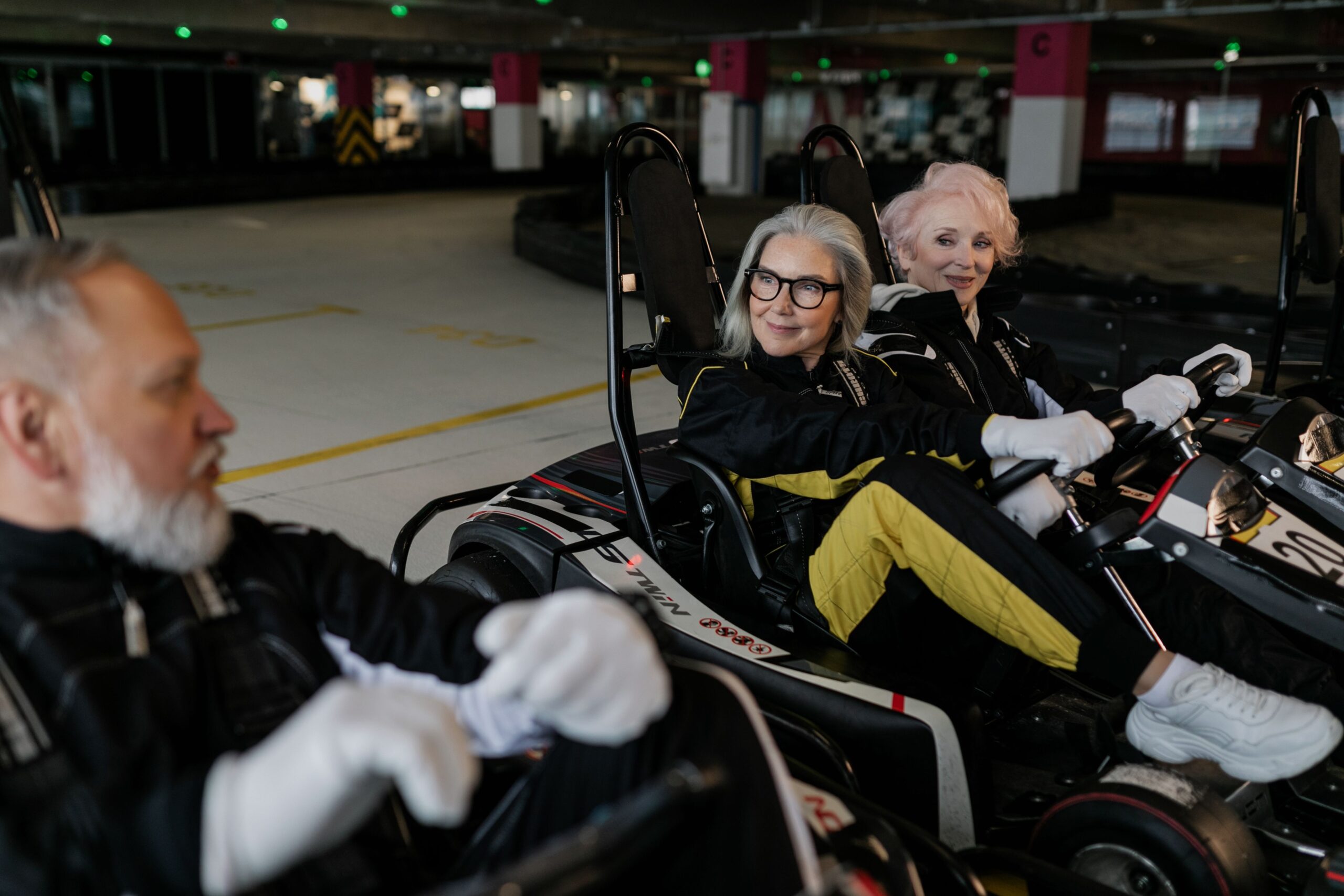
There’s an outdated assumption that travel and adventure naturally wind down once retirement begins, but for a growing number of people over sixty five, the opposite is proving true. With more free time, decades of accumulated life experience, and often a clearer sense of what actually matters to them, many retirees are approaching travel with more enthusiasm than ever before. The idea that adventure belongs to the young has quietly fallen apart, replaced by a generation of older travelers redefining what exploration looks like later in life. Here’s a closer look at what’s driving this shift and how retirees are making the most of it.
Redefining What Adventure Looks Like Later in Life
Adventure after sixty five doesn’t necessarily mean extreme sports or backpacking with a single duffel bag, though for some it absolutely can. For many retirees, it looks more like immersive cultural trips, slower paced international travel, or finally visiting destinations that got pushed aside during busier working years. The definition of adventure tends to shift toward experiences that offer genuine novelty and personal meaning, rather than adrenaline for its own sake. This redefinition allows travel to remain exciting and fulfilling regardless of physical ability, since adventure becomes less about pushing limits and more about genuine curiosity and openness to new experiences.
The Physical and Mental Benefits of Travel at This Stage of Life
Travel offers meaningful benefits at any age, but for older adults specifically, the mental and physical engagement it requires can be especially valuable. Navigating new environments, learning basic phrases in another language, or simply adapting to unfamiliar routines keeps the brain actively engaged in ways that daily life at home often doesn’t. Physically, travel frequently involves more walking and activity than a typical day at home, which can support mobility and overall physical health when approached at a comfortable pace. Many retirees find that trips leave them feeling more energized and mentally sharp, rather than exhausted, largely because the experience itself is so stimulating.
Practical Considerations That Make Travel More Feasible
Traveling later in life does often require a bit more planning than it did in younger years, particularly around health considerations, mobility, and travel insurance. Researching destinations with good medical infrastructure, choosing accommodations with accessibility in mind, and building in extra time for rest between activities can make a significant difference in how enjoyable a trip actually feels. Travel insurance that specifically covers medical emergencies abroad has become an increasingly important consideration as well, given that standard health insurance often doesn’t extend coverage internationally. Taking these practical steps seriously allows for genuinely adventurous travel without unnecessary risk or stress.
How Living Arrangements Can Support a Travel Focused Lifestyle
The right living situation at home can make a significant difference in how easily someone is able to travel frequently during retirement. Maintenance heavy homes often create logistical stress around who will look after things while traveling, which can quietly discourage spontaneous or extended trips. Communities offering Assisted Living in Palm Beach Gardens have increasingly recognized this need, building services and support structures that make it easier for residents to travel confidently, knowing their daily needs and home responsibilities are being handled while they’re away. This kind of support removes one of the biggest hidden barriers to frequent travel later in life.
Building a Travel Routine That Feels Sustainable
For travel to remain a consistent part of life after sixty five, it often helps to build it into a sustainable rhythm rather than treating each trip as a major, isolated event. Some retirees find success planning a few shorter trips throughout the year rather than one large annual vacation, which tends to feel less physically demanding and easier to plan around. Traveling with companions, whether family, friends, or organized group tours, can also add both enjoyment and an extra layer of support along the way. Building this kind of sustainable travel rhythm helps ensure that adventure remains a consistent part of life, rather than something that only happens occasionally.
Final Thoughts
Adventure after sixty five looks different for everyone, but the idea that exploration belongs solely to younger years has clearly lost its footing. With thoughtful planning, the right support systems, and a willingness to redefine what adventure actually means, retirees are proving that curiosity and exploration don’t have an expiration date. For those ready to embrace it, the world remains just as open and exciting as it ever was, simply waiting to be explored on their own terms.