


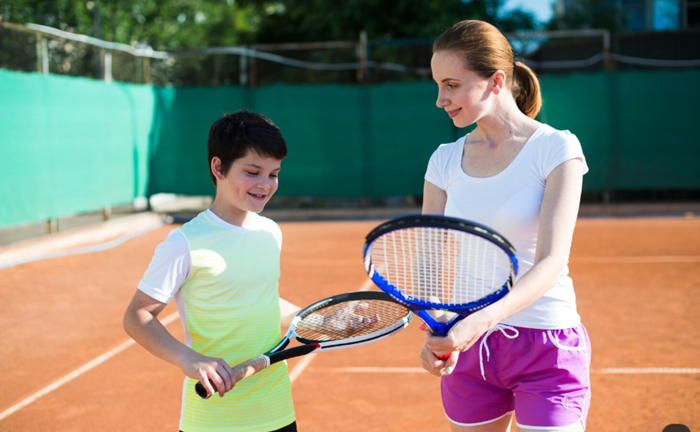
Tennis is a popular sport enjoyed by people of different ages, abilities and fitness levels. Whether played recreationally or through structured coaching, tennis provides opportunities to stay physically active, develop new skills and connect with others. Unlike some sports that require large teams or specialised facilities, tennis can be enjoyed individually or with a partner, making it a flexible activity for children, teenagers and adults. Regular participation can help improve physical coordination, cardiovascular fitness and concentration while encouraging healthy habits. For children, tennis introduces important movement skills and opportunities for social development, while adults can benefit from an enjoyable form of exercise that supports an active lifestyle.
For families and individuals across Sydney, tennis offers a practical way to incorporate regular physical activity into weekly routines. Beginners can start with basic techniques and gradually develop their abilities, while experienced players can continue improving through structured practice and coaching. Organisations such as Discover Sports Group provide junior and adult tennis programs in Sydney, helping participants explore the sport through age-appropriate activities and skill development opportunities. Whether someone wants to learn tennis for the first time, improve their existing skills or simply enjoy a recreational activity, understanding the benefits of playing tennis can help them make informed decisions about participating in the sport.
1. Improving Physical Fitness and Cardiovascular Health
Tennis involves a combination of running, quick directional changes, stretching and repeated movements that engage different muscle groups. During a typical session, players move around the court to reach the ball, adjust their positioning and prepare for each shot. These activities can contribute to cardiovascular fitness, muscular endurance and overall physical conditioning. Because tennis involves periods of movement followed by short recovery intervals, it provides a varied form of exercise that can be adapted to different fitness levels and playing abilities.
For children, regular tennis participation encourages movement and helps establish positive attitudes towards physical activity from an early age. Developing an interest in sport can support healthy routines and provide an enjoyable alternative to sedentary activities. Adults may also benefit from tennis as part of a balanced exercise routine, particularly when they want an activity that combines physical movement with skill development. The intensity of play can be adjusted according to experience, fitness and individual needs. Beginners may start with shorter rallies and basic drills, while more experienced players can participate in longer practice sessions or competitive matches. Consistent participation, combined with appropriate rest and recovery, can support improvements in physical fitness over time.
2. Developing Better Hand-Eye Coordination and Motor Skills
Hand-eye coordination is an essential skill in tennis because players must track the movement of the ball while positioning their bodies and preparing their rackets. Successfully returning a shot requires timing, balance, spatial awareness and controlled movement. These abilities develop through repeated practice as players learn to judge ball speed, direction and distance. Tennis also involves movements such as running, stopping, turning and changing direction, which can help strengthen overall coordination and body control.
For younger children, tennis activities can introduce fundamental movement skills through simple exercises and modified equipment. Smaller courts, lighter rackets and slower balls can make it easier for beginners to practise hitting, catching and moving safely. These activities provide opportunities to develop coordination while learning the basic principles of the sport. Adults can also improve their movement efficiency and timing through regular coaching and practice. As players become more familiar with different strokes, they may develop greater control over their footwork, racket positioning and shot execution. These improvements can contribute to better performance on the court while supporting general movement confidence in other physical activities.
3. Building Confidence Through Skill Development
Learning a new sport often involves challenges, particularly when participants are unfamiliar with the techniques and rules. Tennis provides opportunities to develop confidence by setting achievable goals and recognising improvements over time. Beginners may initially focus on holding a racket correctly, making contact with the ball or completing a short rally. As their skills improve, they can progress towards more advanced techniques, consistent shot placement and greater independence during gameplay. Each achievement can provide a sense of accomplishment and encourage continued participation.
For children, this gradual learning process can help develop confidence in their ability to approach unfamiliar tasks and overcome difficulties. Practising a challenging skill, receiving constructive feedback and eventually performing it successfully can reinforce the value of patience and effort. Adults may experience similar benefits, particularly when returning to physical activity or learning tennis later in life. Structured coaching can provide clear guidance and realistic expectations, helping participants understand their progress without unnecessary pressure. Confidence in tennis does not depend solely on winning matches or outperforming others. Recognising personal improvements, developing consistency and becoming more comfortable on the court can be equally meaningful achievements for players of all ages.
4. Encouraging Social Interaction and Communication
Although tennis can be played individually, it also creates opportunities for social interaction through group lessons, doubles matches and recreational activities. Participants regularly communicate with coaches, practice partners and other players while learning techniques, following instructions and participating in organised sessions. These interactions can help develop communication skills and encourage positive relationships within a shared sporting environment. Tennis clubs and coaching programs may also provide opportunities to meet people with similar interests and participate in regular community activities.
For children, group tennis lessons can support social development by encouraging cooperation, turn-taking and respectful behaviour. Young players learn to listen to instructions, share equipment, support teammates and respond appropriately during games. These experiences can help them become more comfortable participating in group activities and interacting with peers. Adults may also appreciate the social benefits of tennis, particularly when looking for enjoyable ways to meet new people or maintain existing friendships. Playing doubles, attending regular lessons or joining recreational sessions can provide opportunities for conversation and shared experiences. While individual preferences and personalities vary, tennis offers a social setting where participants can develop connections while remaining physically active.
5. Supporting Concentration and Mental Wellbeing
Tennis requires players to pay attention to several things at once, including ball movement, court positioning, shot selection and their opponent’s actions. Maintaining concentration is important because decisions often need to be made quickly during rallies. Players must assess where the ball is travelling, adjust their movements and choose an appropriate response. Repeated exposure to these situations can provide opportunities to practise attention, decision-making and problem-solving skills in an active environment.
Physical activity can also contribute to mental wellbeing by providing a break from everyday routines and opportunities for enjoyment. For children, tennis may offer a structured activity that encourages focus while allowing them to release energy through movement. Adults may find that regular tennis sessions provide a useful way to manage everyday stress and spend time away from work or other responsibilities. The combination of physical exercise, social interaction and skill development can make tennis an engaging recreational activity. However, the experience should remain appropriate for the participant’s abilities and interests. Excessive pressure or unrealistic expectations may reduce enjoyment, particularly for younger players. A supportive learning environment helps participants concentrate on gradual improvement while maintaining a positive relationship with the sport.
6. Teaching Discipline, Patience and Sportsmanship
Tennis involves rules, routines and repeated practice, making it a useful activity for developing discipline and patience. Players must learn how to follow instructions, practise techniques and respond to different situations during games. Progress often requires consistent effort because skills such as serving, rallying and controlling shot direction are not usually mastered immediately. Understanding that improvement takes time can encourage participants to approach challenges with persistence rather than expecting immediate results.
Sportsmanship is another important part of tennis participation. Players are expected to respect opponents, follow the rules and respond appropriately to both successful and unsuccessful outcomes. For children, these experiences can introduce valuable lessons about fairness, responsibility and managing disappointment. Learning to accept mistakes and continue participating after losing a point can help develop emotional resilience in a supportive environment. Adults can also benefit from practising patience and maintaining a constructive attitude during challenging matches. Coaches play an important role by encouraging respectful behaviour, recognising effort and demonstrating appropriate responses to competition. When the emphasis remains on learning and enjoyment, tennis can provide opportunities to develop personal qualities that extend beyond the court.
7. Providing a Sport That Can Be Enjoyed Throughout Life
One of the advantages of tennis is that it can be adapted to different ages, skill levels and physical abilities. Children may begin with introductory activities designed to develop basic movement and racket skills, while teenagers can progress towards more advanced coaching and competitive opportunities. Adults can participate recreationally, take lessons to improve their technique or play regularly with friends and family. This flexibility makes tennis an activity that people can continue enjoying through different stages of life.
The sport also offers several participation options depending on individual preferences. Some players enjoy structured lessons and organised competitions, while others prefer casual rallies or social doubles matches. Equipment, court size, session duration and playing intensity can be adjusted to accommodate different needs. Older adults may choose lower-intensity sessions that prioritise movement, coordination and enjoyment rather than competitive performance. Families can also participate together, creating opportunities for shared activities across generations. Although physical abilities and interests may change over time, tennis provides a range of ways to remain involved. By introducing the sport in a supportive environment and encouraging sustainable participation, players can develop skills and interests that may remain part of their lifestyle for many years.
Conclusion
Playing tennis offers numerous benefits for children and adults, making it a valuable recreational activity for people at different stages of life. From improving physical fitness and coordination to developing confidence, concentration and social skills, tennis combines physical movement with opportunities for personal development. The sport also encourages patience, discipline and sportsmanship through regular practice and participation. Whether someone is learning basic techniques or refining existing abilities, tennis provides a structured yet enjoyable environment where progress can occur gradually.
For families and individuals in Sydney, participating in tennis can be a practical way to support an active lifestyle while developing skills that extend beyond the court. Choosing an appropriate coaching program, setting realistic goals and maintaining a positive approach to learning can help participants enjoy the experience and remain motivated. Children can benefit from age-appropriate instruction that supports their development, while adults can explore lessons and recreational opportunities suited to their abilities. With regular practice, suitable guidance and an emphasis on enjoyment, tennis can become a rewarding activity that supports physical wellbeing, social connection and lifelong participation in sport.