


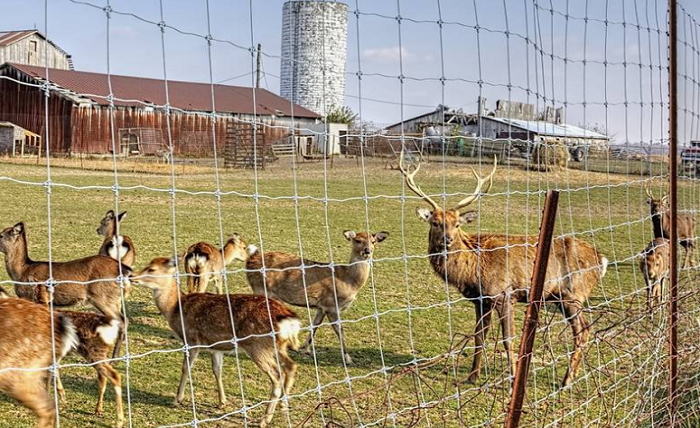
When it comes to creating a peaceful and safe outdoor space, we often think of beautiful gardens and relaxing patios. However, one of the most pressing concerns for any outdoor enthusiast is the presence of ticks, especially in areas frequented by deer. Ticks are not just a nuisance; they can pose serious health risks to both humans and pets. That’s why installing effective deer fencing for how to keep out ticks is essential. But, as with any project, there are common pitfalls we should avoid to ensure our efforts are successful.
When installing deer fencing for tick control, it’s crucial to ensure that gates are properly aligned and functional to prevent any gaps that could allow deer to enter. A common mistake is neglecting the maintenance of these gates, which can compromise the effectiveness of the entire fencing system. Regular inspections and timely repairs are essential to maintain the integrity of the fence. For those looking to enhance their gate installation and repair skills, continue reading to explore expert tips and services that can help ensure your fencing system remains robust and reliable.
Understanding the Role of Deer Fencing in Tick Control
It’s no secret that deer are carriers of ticks, which means if we want to protect our gardens and loved ones, we need to keep deer at bay. The first step in this journey is understanding how deer fencing helps in tick control.
Another crucial aspect to consider when installing deer fencing for tick control is the selection of the right materials and design that suit your specific landscape needs. It’s essential to ensure that the fencing is both durable and effective in keeping deer out, which in turn helps reduce tick populations. For those looking to explore various fencing options and find the best fit for their property, you can view our programs to gain insights into different solutions tailored to your requirements. This approach not only enhances the effectiveness of your tick control efforts but also ensures a long-lasting barrier against unwanted wildlife intrusions.
Deer fencing serves as a barrier, preventing deer from entering our yards and gardens. By keeping deer out, we reduce the chances of ticks hitching a ride into our personal spaces. However, if the fencing is not installed properly, it can become ineffective, allowing deer—and their accompanying ticks—to breach our defenses.
Mistake 1: Skipping the Height Requirement
One of the most common mistakes we see when installing deer fencing is underestimating the height of the fence. Deer are adept jumpers. If we want to keep them out, we need to ensure our fence is at least 6 to 8 feet high. For small areas (100 linear feet or less), a 6-foot fence might suffice. However, for larger spaces, going for a height of 8 feet is the best practice. Not only does a taller fence deter deer, but it also reduces the likelihood of ticks entering our space.
Mistake 2: Choosing the Wrong Material
Not all fencing materials are created equal. When we select fencing for keeping out ticks, we need to pay close attention to the strength and durability of the material. In some situations, emergency temporary fencing can provide a quick and effective barrier solution. Using flimsy plastic or lightweight fencing won’t do the trick; deer can easily break through weaker materials. Instead, we should opt for strong poly fencing with a breaking strength of at least 650 pounds per linear foot. This ensures that our fence remains intact and effective over time.
Additionally, consider using black metal fencing or strong poly fencing with a 1-2 inch mesh size. These materials not only create a sturdy barrier but also blend well into the natural surroundings, maintaining the aesthetic appeal of our outdoor spaces.
Mistake 3: Forgetting About the Bottom Fold
One critical aspect that often goes overlooked is the bottom fold of the fence. Ticks can be sneaky, and deer can dig under fences if we are not careful. To prevent this, we need to implement a 6-inch bottom fold that is pinned to the ground. This fold acts as a deterrent for deer trying to crawl underneath, effectively blocking ticks from entering our sanctuary.
Alternatively, we can consider using a bottom tension cable if a fold is not feasible. This cable can be staked down, ensuring that the fence remains secure and impenetrable. The goal is to create a complete barrier, leaving no room for deer or ticks to slip through.
Mistake 4: Neglecting to Use Tensioning Systems
As we install our deer fencing, we must not overlook the importance of tensioning systems. These systems help anchor the fencing securely to the top of the posts. Without proper tensioning, the fence may sag or become loose over time, creating weak points that deer can exploit.
By tensioning the fence, we not only ensure its strength but also protect it against downward pressure. This is especially important for dogs who might jump against the fence, and we want to avoid any potential breaches that could allow both deer and ticks to enter.
Mistake 5: Not Accounting for Gate Security
While we focus on the main sections of our fencing, we must not forget about the gates. Often, gates are the weakest points in a fence line. A poorly secured gate can provide an easy entry point for deer and, consequently, ticks. To prevent this, we need to ensure our gates overlap the fence on both sides, leaving minimal gaps that deer might squeeze through.
It’s also wise to make sure that gate doors open over flat ground. This helps ensure that there are no small openings that could allow ticks to sneak in. Additionally, laying a layer of fencing on the ground under the gate can act as a dig deterrent, further fortifying our defenses.
Mistake 6: Overlooking Maintenance
Lastly, we must remember that installing a deer fence is not a one-time task. Regular maintenance is essential to keep our fence in optimal condition. Over time, weather conditions can cause wear and tear on our fencing materials. We need to routinely check for any damage, loose posts, or sagging sections and address these issues promptly.
By keeping our fence in good shape, we can ensure its continued effectiveness in keeping deer—and those pesky ticks—at bay. Regularly clearing away any vegetation or debris that may accumulate around the fence is also crucial, as this can provide cover for deer looking to breach our defenses.
Final Thoughts
In summary, installing deer fencing for how to keep out ticks is a vital step in protecting our outdoor spaces. By avoiding these common mistakes—ensuring proper height, choosing strong materials, implementing a bottom fold, using tensioning systems, securing gates, and maintaining our fences—we can create a robust barrier against deer and their unwanted companions.
With Critterfence, we can enjoy the outdoors without worrying about ticks, making it easier to relax and fully appreciate our beautiful gardens. A properly installed fence not only safeguards our plants but also helps protect our loved ones. Let’s take these steps seriously and turn our backyards into a safe and enjoyable haven!
