


In the fast-paced world of financial services, speed, accuracy, and customer experience are critical to business success. With the rise of digital banking and evolving customer expectations, financial institutions must adopt technologies that optimize operations without compromising on compliance or service quality. A robust loan origination system is one such tool that modern lenders rely on to manage and automate the loan application and approval process efficiently.
A loan origination system (LOS) plays a pivotal role in enhancing productivity, improving risk assessment, and accelerating decision-making—all while offering a seamless experience to borrowers. Whether it’s personal loans, mortgages, or business financing, a loan origination system simplifies the entire journey from application to disbursement.
What Is a Loan Origination System?
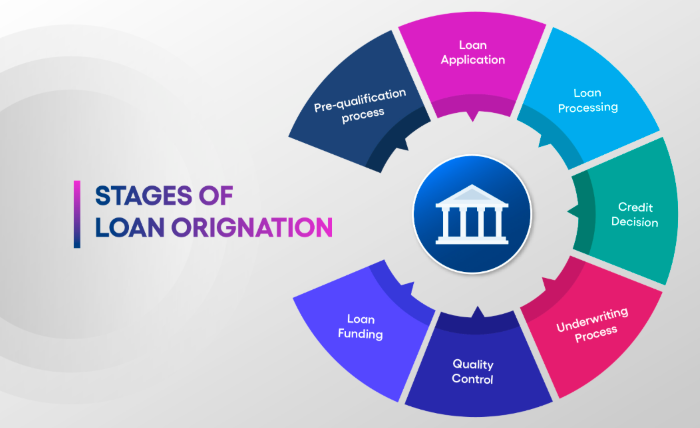
A loan origination system is a digital solution that automates the end-to-end process of originating a loan. It handles the various stages involved in lending, including:
- Application submission
- Document collection and verification
- Credit evaluation
- Underwriting
- Approval
- Disbursement
The system is designed to reduce manual intervention, minimize errors, and ensure that lending decisions are made based on data-driven insights. In an age where customers expect fast approvals and transparency, a loan origination system provides the necessary infrastructure to meet those demands.
Key Components of a Loan Origination System
An efficient loan origination system integrates several functional modules, each of which contributes to the overall effectiveness of the lending process:
1. Digital Loan Application
Borrowers can submit their applications online through web or mobile platforms. The system allows uploading of documents, auto-fills known information, and guides users through the process—reducing drop-off rates and increasing conversions.
2. Document Management
Handling borrower documents is one of the most time-consuming tasks in traditional lending. A loan origination system streamlines this by enabling digital uploads, automatic verification, and secure storage. Optical Character Recognition (OCR) may also be used to extract information from scanned documents.
3. Credit Scoring and Risk Analysis
The system connects with credit bureaus and uses internal algorithms to assess a borrower’s creditworthiness. This speeds up the risk evaluation process and allows underwriters to make informed decisions quickly.
4. Automated Underwriting
Based on predefined rules and risk parameters, the system can automatically approve or reject applications, or flag them for manual review. This reduces turnaround time and ensures consistency in decision-making.
5. Compliance and Verification
The loan origination system ensures that all applications comply with local financial regulations. It performs identity checks (KYC), anti-money laundering (AML) screening, and generates audit trails for regulatory reporting.
6. Workflow Automation
From application intake to final disbursement, the LOS automates each stage. Alerts, reminders, and task assignments keep the process moving smoothly, reducing bottlenecks and delays.
7. Integration Capabilities
The system can be integrated with core banking software, payment gateways, CRM tools, and analytics platforms, ensuring a unified workflow and real-time data sharing across departments.
Benefits of Using a Loan Origination System
Implementing a loan origination system brings a wide range of benefits to financial institutions, lenders, and their customers. These include:
1. Faster Loan Approvals
By automating application processing and underwriting, the system drastically reduces the time it takes to approve and disburse a loan. What once took days or weeks can now be completed in hours.
2. Enhanced Accuracy
Manual data entry and human oversight can lead to costly mistakes. A digital system ensures consistency, reduces errors, and maintains data integrity throughout the process.
3. Improved Customer Experience
Borrowers enjoy a smooth, transparent, and user-friendly loan process. They can apply from anywhere, track their application status, and receive timely notifications—leading to higher satisfaction and retention.
4. Scalability
As a lender grows, its loan processing needs become more complex. A scalable loan origination system supports higher volumes, new product lines, and evolving market demands without disrupting existing workflows.
5. Cost Efficiency
Automation reduces the need for large operational teams, lowering administrative costs. The streamlined process also means fewer delays, missed opportunities, or compliance-related penalties.
6. Stronger Risk Management
Advanced analytics and real-time access to credit data enable more accurate risk assessments. The system enforces consistent underwriting policies, ensuring that risky loans are avoided.
Use Cases Across Lending Segments
A loan origination system is not limited to a single type of lender. It offers value across multiple segments, including:
- Retail Banks: For processing home, auto, and personal loans.
- Credit Unions: To improve member services and handle growing loan applications.
- NBFCs and MFIs: For efficiently managing high-volume, small-ticket loans.
- Fintechs: To power fully digital, customer-friendly lending platforms.
- Mortgage Lenders: For handling complex documentation and regulatory requirements in home loan processing.
Choosing the Right Loan Origination System
When evaluating a loan origination system, lenders should consider several factors:
- Customization: Can the system adapt to your lending rules, product types, and approval workflows?
- User Interface: Is the system intuitive for both customers and staff?
- Integration: Can it connect easily with your existing systems?
- Security and Compliance: Does it meet data protection regulations and offer secure access?
- Vendor Support: Are training, updates, and customer service readily available?
Taking the time to choose the right platform can significantly impact the speed, security, and efficiency of your lending operations.
Trends Shaping the Future of Loan Origination
The financial industry is embracing new technologies that are further enhancing loan origination systems. Some emerging trends include:
- AI and Machine Learning: For predictive credit scoring and fraud detection.
- Chatbots and Virtual Assistants: To guide borrowers through the application process.
- Blockchain Technology: For secure and transparent verification processes.
- Open Banking APIs: To access financial data in real-time and personalize loan offers.
These innovations are transforming how loans are issued, making lending smarter and more inclusive.
Conclusion
A loan origination system is essential for any modern lender looking to thrive in an increasingly digital and competitive environment. It simplifies the loan journey, enhances risk management, improves compliance, and delivers exceptional customer service—all while reducing operational costs.
By embracing a powerful loan origination system, financial institutions can stay ahead of the curve, respond quickly to borrower needs, and build scalable, future-ready lending operations. As lending continues to evolve, those who invest in efficient technology today will lead the way tomorrow.
