


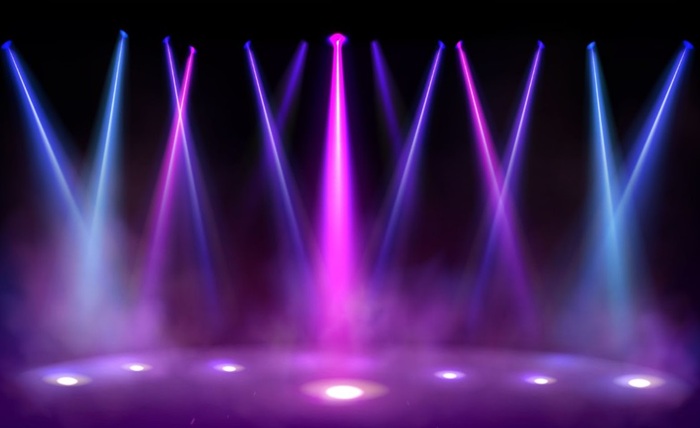
Every flicker shapes how we feel and see, the moment. Stage glow bends blank rooms into something vivid, alive. A quiet ceremony under soft beams feels just as full as a roaring crowd lit by bursts of color. Space changes when light takes charge – no matter if few or many are watching.
What Are Stage Lights?
Bright beams on stages aren’t just lamps – they shape how we see dance, music, and drama. These tools shine light where it matters most during shows, big or small. While regular bulbs stay fixed, these shift hue, brightness, angle, and even sweep across rooms. Performances gain energy when colors change mid-song, or spotlights chase a singer downstage. Venues transform fast – mood swings from warm gold to electric blue happen in seconds. From wedding speeches to rock gigs, control over glow defines what feels alive. What stands out isn’t always motion – it’s timing, contrast, shadows that move right.
Among the most popular stage lighting solutions are moving head lights, spotlights, LED panels, and traditional wash lights. Each type serves a specific purpose, and when combined, they provide a full lighting experience that can captivate audiences.
Types of Stage Lights and Their Applications
1. Moving Head Lights
What makes moving head lights stand out at today’s events? The name gives a hint – these units have motors that shift the entire fixture. Instead of staying fixed, they pivot left and right, up and down, even spin mid-air. Because of this motion, designers craft flowing light trails, rhythmic sequences, and lively shapes throughout spaces.
During a wedding, moving head lights often shine on the couple when they share their first dance. When the scene shifts to a party or concert, these lights pulse and sweep, syncing with each beat. What sets them apart is how easily they adapt. They fit right into nearly any show, shifting mood just by changing pace. Without much effort, they become the backbone of modern stage lighting. Their role feels quiet, yet it shapes everything around it.
2. Par Can Lights
Par can lights are another essential tool for stage and event lighting. These lights are known for producing strong, focused beams that can be used as washes or spotlights. They are widely used to illuminate large areas evenly, making them perfect for wedding stages, banquet halls, and dance floors.
A key strength lies in how straightforward and tough these units are. Because they usually stay in one place, setting them up feels less complicated compared to fixtures that move. Today’s models often swap old bulbs for LEDs, shifting hues and brightness on demand, which opens up fresh options for shaping the mood.
A single beam might set a quiet mood at an outdoor dinner, yet shift completely to pulse fast under dancing crowds. These fixtures adapt so easily that most pros keep several on hand without question.
3. Spotlights
Focused beams reach out across the room, pointing exactly where needed – on a speaker, a singer, or an object meant to stand apart. Light shifts shape through manual tweaks, pulling eyes toward what matters most at any given second. Instead of blending in, these units take charge of sightlines, shaping how people see the scene. Often found working beside moving heads and par cans, they add depth without calling too much attention to themselves.
4. LED Wash Lights
Every so often, LED wash fixtures cast broad illumination without harsh spots. Their glow spreads uniformly across surfaces thanks to efficient power use. Millions of hues come alive through digital control settings. Instead of abrupt shifts, transitions flow like gradual sunsets. While moving heads snap into sharp beams, these units bathe spaces in soft radiance. Venues rely on them when atmosphere matters just as much as focus. Spotlights carve drama out of darkness – wash lights add depth behind the scenes.
The Role of Lighting in Parties and Weddings
Bright flashes bounce through the room, shaping how people feel. When beats drop at gatherings, colorful beams jump and spin across walls. Spotlights follow dancers, giving moments more punch. Sudden color shifts drape the space in rhythm, tying sound to sight. Lights pulse like heartbeats, nudging guests to move without thinking.
Flickering gently, wedding lighting shapes mood without shouting. Soft glows wrap around pillars and drapes, pulling out details hidden in plain sight. A single beam might rest on the cake, another on bouquets – quiet moments built with care. Halls shift when light leans in just right, turning blank walls into something dreamlike. Instead of bright floods, par cans whisper color onto corners, rising like breath against baseboards.
Shows like plays, gigs, or business presentations depend on smart light setups to pull people in. Lights shape how we see artists – sharpening their presence or framing motion dramatically. With moving heads shaping patterns, par cans washing colors, spotlights pinning key moments, each beam adds depth. These tools blend – not just shine – to build a mood that holds attention through timing, contrast, surprise. Vision becomes feeling when illumination works quietly behind the scenes.
Tips for Effective Stage Lighting
- Plan According to Venue: Consider the size, layout, and architectural features of the venue to determine the placement and type of lights needed.
- Layer Lights: Combine moving head lights, par can lights, and spotlights to create depth and visual interest.
- Match Lighting to Theme: Use colors, intensity, and movement that align with the event’s theme to enhance the mood.
- Use Lighting Effects Sparingly: Overusing effects can overwhelm guests; subtlety often has a greater impact.
- Program Sequences: For concerts and parties, synchronizing lighting with music or performance cues creates a professional and engaging experience.
Conclusion
Bright beams shape how we see a room during shows or gatherings. Instead of just shining steady, some sweep and twist mid-air like dancers themselves. Others hold their ground, casting solid pools of color that anchor the space. A well-lit moment feels intentional, never accidental. When arranged with care, even basic spots transform flat corners into living scenes. What might seem dull at first gains depth, rhythm, life.
Lights shape the mood, no matter if it’s a celebration, a quiet ceremony, or live music under bright beams. Because par cans work with moving fixtures, focused spots, and colored LED floods, spaces shift between boldness, grace, and motion. From edge to center, illumination builds feeling – layered tools meet purpose without shouting. Each fixture type adds depth, so moments linger not from noise but glow.
Above all else, light crafts moments rather than merely brightening spaces. It stirs feelings where none were expected. Each glow turns a gathering into something vivid, almost breathing. With it, events rise beyond routine.
