


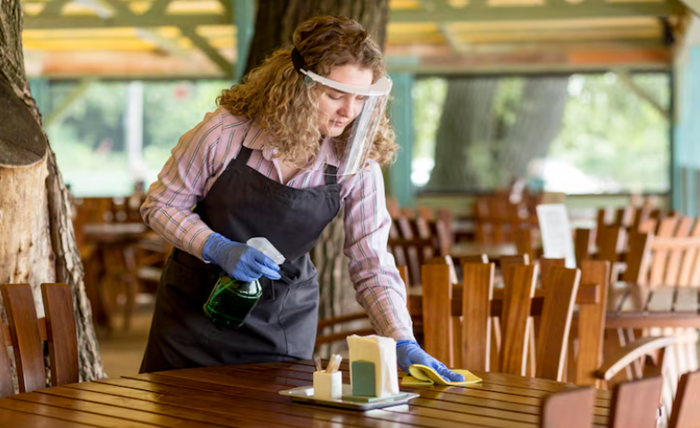
Maintaining hygienic workspaces is crucial to the health and safety of both employees and visitors, notably in medical settings. The obligation to uphold sanitary conditions carries weight beyond the conventional cleaning practices. In places such as clinics, hospitals, and other healthcare facilities, the risk of cross-contamination and the spread of infectious diseases underline the necessity for advanced medical cleaning services. These professional services play a vital role in ensuring a germ-free environment that safeguards the wellbeing of patients and healthcare workers alike.
Understanding the Risks in Medical Settings
Healthcare environments are laden with potential hazards due to the nature of medical work. Regular patient flow and the treating of various ailments make medical facilities a hotspot for germs and pathogens. Without rigorous cleaning protocols, these spaces can quickly become breeding grounds for bacteria, viruses, and other dangerous microorganisms, jeopardising health and recovery.
It is, therefore, essential to recognise that medical settings require more than just surface wiping and mopping. They demand specialised sanitisation and disinfecting procedures that target microbial threats, which can only be reliably addressed through professional services.
Specialised Requirements for Medical Cleaning
Medical facilities face stringent regulations when it comes to hygiene and cleanliness. Professional cleaning teams trained in medical facility protocols possess the knowledge and skills required to meet regulatory standards. They come equipped with the right tools, products, and methodologies that are specifically designed for medical settings.
These stringent requirements make it clear that medical facilities cannot depend on mundane cleaning services. The competence to cleanse and disinfect effectively involves understanding the different requirements of various departments, from patient rooms to operating theatres, each with its unique set of standards.
Advantages of Professional Medical Cleaning Services
Engaging professional medical cleaning services comes with numerous advantages. Foremost is their capability to reduce infections and disease transmission. These services ensure that all areas are properly sanitised, thus reducing the number of healthcare-associated infections (HAIs) and protecting both patients and staff.
Additionally, a professionally cleaned medical environment instils confidence and reassurance in patients. A clean facility is indicative of a commitment to patient care and can improve the overall perception and reputation of the healthcare provider.
Another significant benefit is the assurance of compliance with health regulations and standards. Professional cleaning providers are up-to-date with legalities and ensure that medical facilities do not face penalties or jeopardise their operational licenses due to hygiene-related non-compliances.
The Role of Trained Professionals
Professionals who provide medical cleaning services are intricately trained in appropriate cleaning techniques and infection control protocols. They understand the critical nature of their role in the healthcare setting and the necessity for attention to detail. The usage of proper cleaning agents and equipment that are safe but effective against pathogens is part of their specialised skill set.
Furthermore, these professionals are equipped to address biohazardous waste and are knowledgeable about proper waste disposal methods to prevent environmental contamination and community health risks.
Incorporating Sustainability in Medical Cleaning
Sustainable practices have also started to intertwine with medical cleaning services. Environmentally-conscious cleaning companies are now using green cleaning products and methods that are effective against germs whilst being non-toxic to humans and friendly to the environment. Opting for services that consider sustainability contributes to an overarching sense of responsibility towards a healthier planet.
Adding Value Through Technological Advancements
Advancements in cleaning technology such as electrostatic sprayers, UV-C disinfection, and HEPA filtration systems provide value-added benefits to traditional cleaning methods. These technologies offer deeper cleaning and more prolonged protection against germs, thus heightening the level of hygiene in medical settings.
These state-of-the-art approaches can significantly reduce the time needed to clean and disinfect rooms, making them available for use sooner without compromising on safety or efficiency. Moreover, they often result in cost savings in the long run due to reduced illness transmission and fewer HAIs.
Customised Cleaning Programs
Every healthcare facility has particular needs based on size, patient demographics, and services provided. Professional cleaning services often provide customised cleaning programs tailored to individual facility requirements. By collaborating with facility management, professional cleaners can design a cleaning schedule that maximises efficiency and effectiveness.
This customization extends to how frequently specific areas require servicing—whether operating theatres need daily comprehensive cleaning or administrative offices require less intensive services. This targeted approach ensures that resources are used carefully, and nothing is overlooked.
Final Thoughts
Ensuring a germ-free environment within medical facilities is a complex task that bears immense responsibility. As the front line of defence against infection and disease spread, professional medical cleaning services are indispensable.
The dedication and expertise of professionals in this field are what make these services irreplaceable in pursuit of healthcare excellence. By fostering a clean, safe, and hygienic atmosphere, they not only protect health but also enhance the quality of care provided in our vital medical institutions.
In conclusion, the role of professional medical cleaning services is not one to be underestimated. Their comprehensive approach ensures that medical facilities are not just clean to the eye, but also deeply sanitised and safe for all. It is an investment in health that promises returns in the form of wellbeing, safety, and trust – a testament to their indispensable nature in the realm of healthcare hygiene.
