


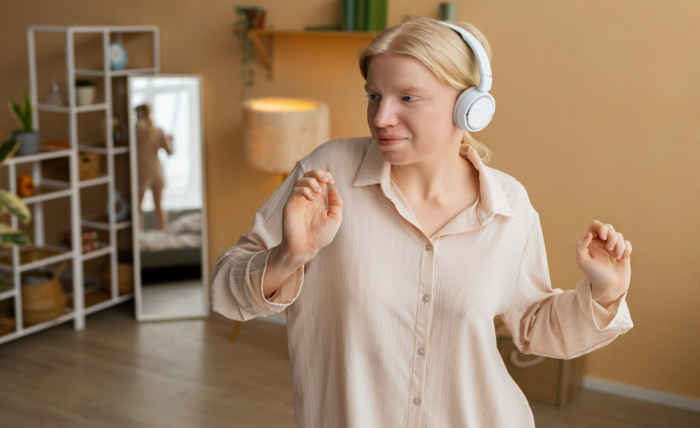
Many seniors find that music unlocks memories, lifts mood, and calms anxious thoughts, yet shared speakers in a senior living community can’t always meet every listener’s needs. Headsets change that reality. A lightweight pair of headphones delivers personalized volume, minimizes background noise, and lets seniors enjoy favorite melodies without disturbing neighbors.
By combining headsets with structured music therapy, caregivers and family members create a flexible program that supports cognitive health, emotional balance, and daily enjoyment for seniors, even when mobility or hearing changes present challenges.
Why Headsets Make Music Therapy Accessible
Seniors often contend with hearing loss, background chatter, and differing musical tastes. A well-fitted headset solves several issues at once by channeling sound straight to each ear and blocking disruptive noises. Unlike room-filling speakers, headsets also allow seniors to control volume independently, protecting sensitive ears from sudden spikes.
Modern wireless designs eliminate tangled cords that can trip walkers or snag wheelchairs, while cushioned ear cups reduce pressure on delicate skin. When seniors experience a secure, comfortable fit, they remain engaged longer, which in turn deepens the therapeutic impact of every song session.
Selecting Music That Resonates
A successful playlist feels like a personal time capsule, guiding seniors back to cherished decades, family dances, or spiritual moments. Therapists typically begin by asking relatives for favorite artists from the senior’s twenties and thirties, a period deeply embedded in long-term memory. Energetic swing tunes may prompt gentle chair-based movement, while soothing ballads can ease evening restlessness.
Because lyrics carry powerful emotional cues, instrumental versions of once-loved hymns or classical themes sometimes work better for seniors who feel overwhelmed by words. Headsets ensure that every note reaches the listener clearly, sharpening recognition and emotional response.
Creating a Comfortable Listening Routine
Routine turns isolated music sessions into a dependable wellness ritual. Many seniors thrive on predictable schedules, so therapists often pair morning stretches with upbeat tracks and afternoon relaxation with soft piano pieces. Caregivers keep the headset fully charged and ready, eliminating technology barriers that might discourage participation.
A brief mindfulness cue—such as a deep breath before pressing play—helps seniors focus on the music rather than surrounding activity. Over time, the brain begins to associate specific playlists with calm, energy, or social connection, making it easier for seniors to manage mood swings and daily transitions.
Measuring the Benefits Over Time
Quantifying progress encourages ongoing commitment to music therapy. Care staff or family members can record simple indicators: length of headset use, facial expressions during favorite songs, or willingness to converse afterward. Some seniors demonstrate sharper recall, recounting childhood stories triggered by a familiar melody. Others show reduced agitation, measured by fewer restless movements during evening hours.
Regular check-ins allow therapists to tweak playlists—perhaps adding rhythmic drumming for mobility exercises or slow strings for meditation. Data may be informal, yet consistent observation proves that customized headset-based music therapy remains a low-cost, high-impact tool for sustaining seniors’ quality of life.
Conclusion
Headsets place the healing power of music directly in seniors’ hands—well, ears—delivering clarity, comfort, and control. By pairing thoughtful equipment choices with personalized playlists, structured routines, and simple progress tracking, caregivers craft a therapy program that respects individuality while nurturing cognitive, emotional, and social well-being.
In a world where aging can sometimes feel limiting, headset-based music therapy offers seniors a private concert hall and a proven path toward brighter days.
