


The phrase “I can’t thank you enough” is one of the most heartfelt ways to express deep gratitude in English. It is commonly used when someone has done something very meaningful, kind, or helpful, and simple “thank you” does not feel sufficient. Many people search for “I can’t thank you enough meaning in Hindi” to understand how to express this powerful feeling in their own language.
In Hindi, this phrase conveys deep appreciation and emotional gratitude. It is often used when someone supports you during difficult times, helps you achieve something important, or shows genuine care and kindness. Understanding its meaning and correct usage helps you express your emotions more clearly and respectfully in both personal and professional situations.
This article explains the Hindi meaning, emotional significance, usage examples, and different ways to use “I can’t thank you enough” in daily life.
Meaning of “I Can’t Thank You Enough” in Hindi

The Hindi meaning of “I can’t thank you enough” is:
- मैं आपका जितना धन्यवाद करूँ, उतना कम है।
• मैं आपका कितना भी धन्यवाद करूँ, कम है।
• मैं आपका आभार शब्दों में व्यक्त नहीं कर सकता/सकती।
• आपका धन्यवाद करने के लिए शब्द कम पड़ रहे हैं।
• मैं आपका बहुत आभारी हूँ।
This phrase shows that your gratitude is so deep that words alone cannot fully express it. It is stronger and more emotional than simply saying “Thank you.”
Emotional Significance of the Phrase
Using this phrase shows genuine feelings and deep appreciation. It is often used in emotional or meaningful situations.
Importance of saying “I can’t thank you enough”:
- Shows deep gratitude: It expresses more than a normal thank you.
• Reflects emotional connection: It shows sincerity and heartfelt feelings.
• Strengthens relationships: Gratitude builds trust and closeness.
• Shows respect and appreciation: It acknowledges someone’s effort and kindness.
• Creates lasting impact: The person feels valued and respected.
This phrase helps communicate gratitude when simple words are not enough.
When to Use “I Can’t Thank You Enough”
This phrase can be used in many situations where someone has helped or supported you.
Common situations include:
- When someone helps you during a difficult time.
• When a friend or family member supports you emotionally.
• When someone gives you an important opportunity.
• When a teacher or mentor guides you.
• When someone shows unexpected kindness.
• When someone helps you achieve success.
It is suitable for both personal and professional situations.
Examples of “I Can’t Thank You Enough” with Hindi Meaning
These examples help you understand how to use the phrase correctly.
- I can’t thank you enough for helping me.
Hindi: मेरी मदद करने के लिए मैं आपका जितना धन्यवाद करूँ, उतना कम है। - I can’t thank you enough for your support.
Hindi: आपके सहयोग के लिए मैं आपका आभार शब्दों में व्यक्त नहीं कर सकता। - I can’t thank you enough for being there for me.
Hindi: मेरे साथ रहने के लिए मैं आपका कितना भी धन्यवाद करूँ, कम है। - I can’t thank you enough for your kindness.
Hindi: आपकी दया और kindness के लिए मैं आपका बहुत आभारी हूँ। - I can’t thank you enough for everything you have done.
Hindi: आपने जो कुछ किया है, उसके लिए मैं आपका जितना धन्यवाद करूँ, कम है।
These examples show emotional depth and sincere gratitude.
Similar English Phrases and Their Hindi Meanings
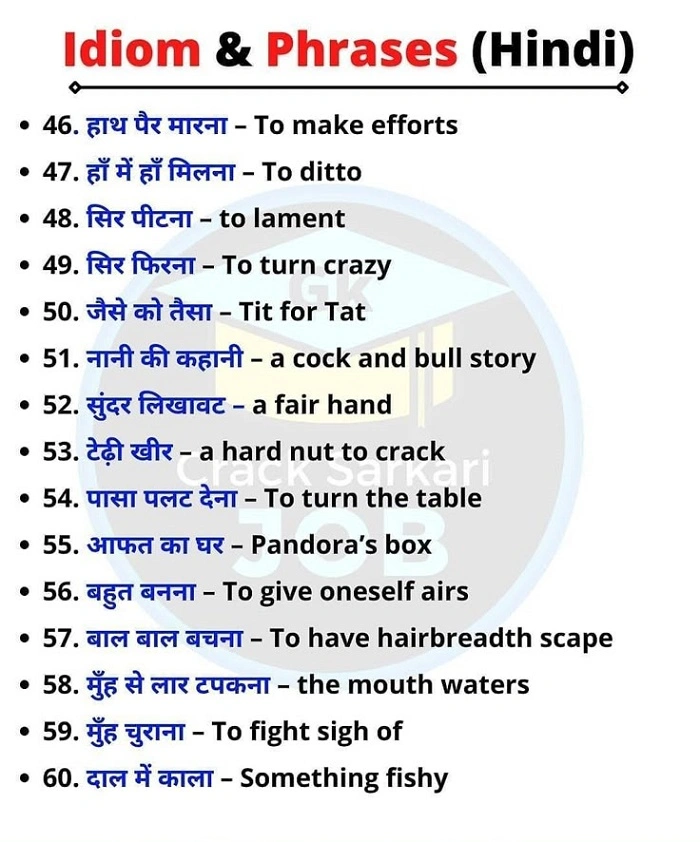
There are other phrases similar to “I can’t thank you enough.”
Common similar phrases include:
- Thank you so much – आपका बहुत धन्यवाद
• I am very grateful – मैं बहुत आभारी हूँ
• I truly appreciate it – मैं इसकी सच्चे दिल से सराहना करता हूँ
• I am deeply thankful – मैं गहराई से आभारी हूँ
• Words cannot express my thanks – शब्द मेरे धन्यवाद को व्यक्त नहीं कर सकते
These phrases also express strong appreciation.
Also Read: Respect Farmers Quotes: Heartfelt and Inspiring Messages to Honor Farmers
How to Use It in Daily Conversations
This phrase can be used in both formal and informal situations.
Examples in daily life:
- To a friend: I can’t thank you enough for helping me.
• To parents: I can’t thank you enough for your love and support.
• To a teacher: I can’t thank you enough for guiding me.
• To a doctor: I can’t thank you enough for taking care of me.
• To a colleague: I can’t thank you enough for your help at work.
It makes your message more meaningful and respectful.
Short Sentences Using the Phrase
These short examples are useful for messages or conversations.
- I can’t thank you enough.
• I can’t thank you enough for your help.
• I can’t thank you enough for your kindness.
• I can’t thank you enough for your support.
• I can’t thank you enough for everything.
These sentences are simple but powerful.
Hindi Sentences with Similar Meaning
If you want to express the same feeling in Hindi, you can use these sentences:
- आपका धन्यवाद करने के लिए शब्द कम हैं।
• मैं आपका बहुत आभारी हूँ।
• आपने मेरे लिए बहुत कुछ किया है।
• आपका एहसान मैं कभी नहीं भूलूँगा।
• आपने मेरी बहुत मदद की है।
These phrases express deep gratitude.
Tips for Using This Phrase Correctly
To use this phrase effectively, keep these tips in mind:
- Use it when you feel genuine gratitude.
• Use it in emotional or meaningful situations.
• Combine it with specific appreciation.
• Use polite and respectful tone.
• Avoid overusing it in casual situations.
Sincere use makes the phrase more powerful.
FAQs About “I Can’t Thank You Enough” Meaning in Hindi
What is the exact Hindi meaning of “I can’t thank you enough”?
It means “मैं आपका जितना धन्यवाद करूँ, उतना कम है।”
Is it formal or informal?
It can be used in both formal and informal situations.
Is it stronger than saying thank you?
Yes. It expresses deeper gratitude.
Can it be used in messages?
Yes. It is perfect for messages, emails, and conversations.
Can students use this phrase?
Yes. Anyone can use it to express sincere thanks.
The phrase “I can’t thank you enough” expresses deep gratitude and sincere appreciation. In Hindi, it means “मैं आपका जितना धन्यवाद करूँ, उतना कम है,” showing that words are not enough to express your feelings. It is used when someone’s kindness, support, or help has made a meaningful difference in your life.
Using this phrase helps strengthen relationships and shows respect and emotional connection. Whether you use it with family, friends, teachers, or colleagues, it conveys genuine gratitude and heartfelt appreciation. A simple phrase like this can make someone feel truly valued and respected.
