


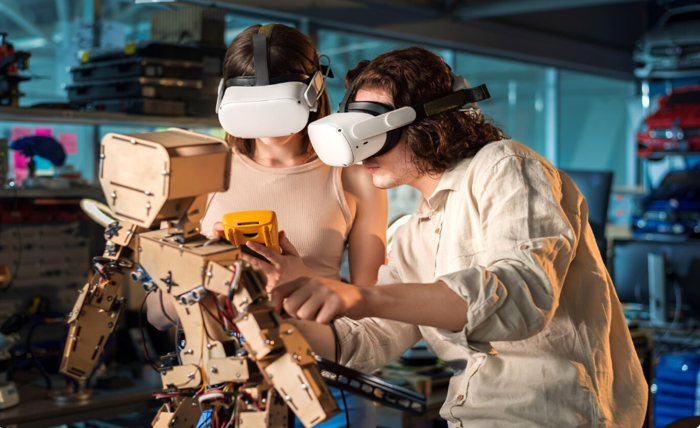
The landscape of industrial workspaces is evolving rapidly. What was once dominated by manual labor and repetitive tasks is now being reshaped by intelligent technologies. At the heart of this transformation is the collaboration between human workers and smart machines. From assembly lines to quality control, the synergy between human skills and machine efficiency is creating a future where innovation thrives. One of the key driving forces behind this shift is the rise of machine vision solutions—advanced technologies that enable machines to “see” and make decisions based on visual data.
Smarter Workspaces Through Visual Intelligence
Traditional factory floors have always relied on the keen eyes and hands of human workers. But as demand for faster and error-free production rises, the human eye alone isn’t always enough. This is where machine solutions come into play. They use cameras, sensors, and AI to detect defects, guide robotic arms, and ensure that every component is in its correct place.
These systems can work tirelessly, scanning hundreds of items per minute with a level of accuracy that’s nearly impossible for humans to match. But their most significant strength is in working with people, not against them. For instance, machine vision can highlight areas where errors are likely to occur, enabling workers to focus their attention more effectively. This reduces fatigue, minimizes waste, and boosts overall productivity.
Enhancing Human Decision-Making
One of the key advantages of combining human and machine efforts is better decision-making. While machines excel at processing large volumes of data, they still lack the nuanced understanding and adaptability of a human brain. When these two forces work together, however, the results can be extraordinary.
In industrial environments, human operators can interpret the contextual meaning behind data generated by visual systems. For example, a worker can determine if a deviation is acceptable based on the end-use of the product—something a machine might misinterpret without proper input. Together, they form a powerful feedback loop where humans guide machines and machines, in turn, empower humans with actionable insights.
Safer, More Efficient Environments
Safety has always been a primary concern in industrial workspaces. By introducing intelligent systems that monitor environments in real-time, companies can significantly reduce the risk of accidents. Visual sensors can identify unsafe conditions, such as blocked exits, improper equipment use, or even signs of human fatigue.
More importantly, this real-time feedback enables preventative action. Instead of reacting to problems after they occur, workers and supervisors can address risks as they arise. This creates a proactive culture of safety, where machines act as vigilant assistants helping to protect their human counterparts.
Redefining Workforce Roles
As automation and smart technologies take on more repetitive or hazardous tasks, the role of the human worker is shifting. No longer limited to the assembly line, today’s industrial employees are becoming system operators, problem solvers, and decision-makers.
This change is also leading to a more engaged and skilled workforce. By taking over the physically demanding aspects of work, machines allow employees to focus on tasks that require creativity, judgment, and collaboration. As a result, job satisfaction increases, and companies benefit from reduced turnover and higher productivity.
The Road Ahead: A Partnership Model
Looking forward, the most successful industrial operations will be those that foster a partnership between humans and machines. It’s not just about automation—it’s about augmentation. Businesses are beginning to realize that true efficiency lies in leveraging the best of both worlds.
To do this effectively, industries must invest in training programs that equip workers with the skills to interact with these new technologies. They must also select the right tools, such as advanced machine vision solutions, that can be easily integrated and scaled across operations.
Ultimately, the goal isn’t to build factories run entirely by machines. It’s to create environments where technology serves people, amplifying their strengths and minimizing their limitations.
Final Thoughts
The future of industrial workspaces is one of collaboration, not competition. As the boundary between human intelligence and machine capabilities continues to blur, organizations have the chance to build something truly remarkable. By embracing the tools of tomorrow, such as machine vision solutions, and investing in the people who will utilize them, industries can unlock unprecedented levels of performance, safety, and innovation.
