


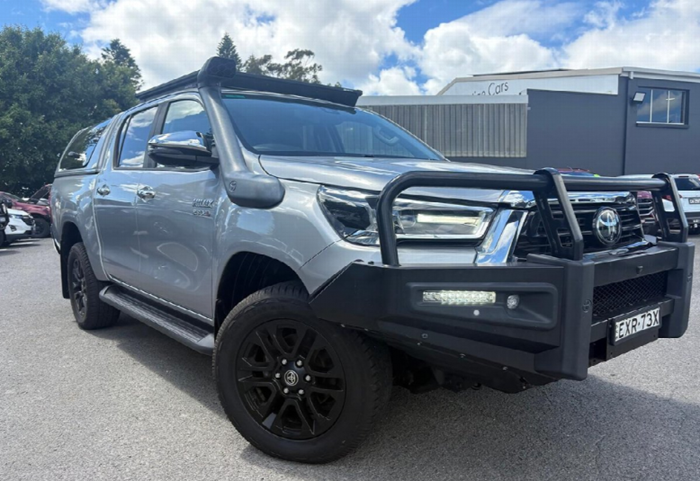
Buying a used car is an important decision that involves more than finding an affordable vehicle with an attractive appearance. The right car should suit your daily routine, provide enough space for passengers and belongings, and remain practical to maintain over time. With different makes, models, body styles and specifications available, comparing used vehicles can sometimes feel overwhelming. However, understanding your driving habits and personal requirements can make the selection process easier. Taking a practical approach helps buyers focus on vehicles that offer suitable features, manageable running costs and dependable everyday performance.
For motorists in regional and coastal areas, driving requirements may include short trips around town, regular commuting, school drop-offs and occasional longer journeys. A vehicle that works well for one driver may not be suitable for another, even when both have similar budgets. Buyers exploring used cars in Port Macquarie can compare different vehicle types, specifications and features to identify options that match their everyday needs. Considering factors such as vehicle size, fuel consumption, maintenance history and driving comfort can help buyers make informed decisions before committing to a purchase.
Understanding Your Everyday Driving Requirements
The first step in choosing a used car is understanding how the vehicle will be used most frequently. Some drivers mainly travel short distances for work, shopping and appointments, while others regularly drive on highways or between regional towns. These differences can influence which vehicle type, engine configuration and features are most appropriate.
Buyers should consider their average weekly driving distance, typical passenger numbers and the amount of luggage or equipment they regularly carry. Someone commuting alone may find a compact hatchback convenient, while a family with children may need additional seating and storage space. Drivers who frequently travel on highways may prioritise comfortable seats, stable handling and useful driver assistance features. It is also worth considering whether driving requirements are likely to change over the next few years. Choosing a vehicle that accommodates both current and reasonably expected needs can reduce the likelihood of needing another replacement sooner than planned.
Choosing the Right Vehicle Size and Body Style
Used vehicles are available in several body styles, including hatchbacks, sedans, SUVs and utes. Each offers different advantages depending on passenger requirements, storage needs and driving conditions. Compact hatchbacks are often practical for urban driving because they are relatively easy to park and manoeuvre through busy streets.
Sedans may appeal to drivers who prefer a separate boot and comfortable passenger accommodation, while SUVs can provide flexible cargo space and a higher seating position. Utes are commonly considered by buyers who need to transport tools, equipment or other loads. However, body style alone does not determine how practical a vehicle will be. Interior dimensions, seat configurations, boot access and overall vehicle size vary between models. Buyers should inspect the available space and consider whether the vehicle fits comfortably in their driveway or garage. Choosing an appropriately sized car can make everyday driving more convenient without paying for unnecessary capacity.
Comparing Fuel Efficiency and Running Costs
Fuel consumption is an important consideration because it contributes to the ongoing cost of vehicle ownership. Two used cars with similar purchase prices may have noticeably different fuel requirements depending on their engines, weight, transmission and driving conditions. A vehicle that consumes more fuel may become significantly more expensive to operate over several years.
Buyers should compare official fuel consumption figures while recognising that actual results can vary according to traffic, driving habits and vehicle condition. Petrol, diesel and hybrid vehicles may offer different advantages depending on how they are used. For example, some hybrid vehicles can be efficient in stop-start traffic, while certain diesel vehicles may suit particular long-distance or load-carrying applications. However, maintenance requirements and potential repair costs should also be considered. Insurance, tyres, servicing and registration expenses can differ between models. Looking beyond fuel consumption provides a more realistic understanding of whether a particular vehicle is affordable to operate.
Evaluating Vehicle Age, Kilometres and Condition
Vehicle age and kilometres are commonly used when comparing second-hand cars, but neither provides a complete picture of mechanical condition. A relatively new vehicle with high kilometres may have experienced regular highway driving, while an older car with low kilometres may have spent extended periods parked or used mainly for short journeys.
Maintenance history and overall condition are often more informative than kilometres alone. Buyers should review available service records to understand whether scheduled maintenance has been completed and whether significant repairs have been undertaken. The condition of tyres, brakes, suspension components and fluid systems can also provide useful information about previous care. A vehicle inspection should include checking for unusual noises, warning lights, leaks and signs of damage. Where possible, an independent pre-purchase inspection can help identify mechanical concerns that may not be obvious during a short viewing. Combining service history, vehicle age, kilometres and professional assessment provides a more balanced understanding of the car’s condition.
Considering Safety Features and Driving Comfort
Safety should be a priority when selecting a used vehicle, particularly for motorists who regularly transport family members or spend considerable time on the road. Modern vehicles may include features such as electronic stability control, anti-lock braking systems, multiple airbags and advanced driver assistance technologies. However, the availability and performance of these systems vary between makes, models and production years.
Buyers should check the specific safety equipment fitted to the vehicle rather than assuming every version of a model has identical features. Independent safety ratings, including applicable ANCAP assessments, can provide useful information, although testing standards and rating validity periods should be considered. Comfort is also important for everyday driving. Seat support, visibility, cabin noise and the positioning of controls can influence how pleasant a vehicle feels during regular journeys. Drivers should consider whether they can enter and exit the vehicle comfortably and whether the seating position provides a clear view of surrounding traffic. A vehicle that combines suitable safety features with practical comfort may be easier to live with over time.
Why Test Driving Different Vehicles Matters
A test drive provides an opportunity to assess how a used car performs in conditions similar to everyday driving. Photographs and specifications can help buyers create a shortlist, but they cannot fully demonstrate seating comfort, steering response, visibility or the way a vehicle behaves on the road.
During a test drive, buyers should pay attention to acceleration, braking, steering and transmission operation. Unusual vibrations, mechanical noises or warning lights may indicate issues requiring further investigation. It is also useful to assess parking visibility, turning space and how easily the vehicle handles lower-speed manoeuvres. Where permitted, driving on a combination of suburban roads and higher-speed routes can provide a broader understanding of its performance. Buyers should avoid rushing this process or focusing entirely on the vehicle’s appearance. Testing more than one suitable model can reveal practical differences that are difficult to identify from specifications alone. Any concerns discovered during the drive should be investigated before proceeding with the purchase.
Planning Your Budget Beyond the Purchase Price
The purchase price is only one part of the financial commitment involved in owning a used car. Buyers should also account for registration, insurance, maintenance, fuel and potential repairs. Depending on the vehicle and transaction, transfer fees and applicable government charges may also need to be included in the budget.
It is sensible to allow additional funds for maintenance that may become necessary after purchase. Even a well-maintained used vehicle can require replacement tyres, batteries, brake components or other wear-related items over time. Buyers considering finance should review interest rates, repayment amounts, loan terms and the total amount payable rather than concentrating solely on monthly repayments. Insurance premiums should also be compared before choosing a vehicle, as costs can vary substantially between models. Establishing a realistic ownership budget helps buyers avoid selecting a car that is affordable to purchase but difficult to maintain. A slightly less expensive vehicle with suitable features and a documented maintenance history may be a practical choice when it leaves room for ongoing expenses.
Conclusion
Choosing the right used car involves balancing everyday driving requirements, vehicle size, safety, comfort and ongoing ownership costs. Rather than focusing entirely on appearance, kilometres or the advertised price, buyers should consider how well each vehicle fits their lifestyle and whether its condition supports dependable long-term use.
Taking time to compare models, review service records, arrange appropriate inspections and complete thorough test drives can help reduce uncertainty during the buying process. A realistic budget should also account for maintenance, insurance and other expenses beyond the initial purchase. By approaching the decision carefully and prioritising practical requirements, motorists can select a used vehicle that supports their daily routines and remains suitable for their needs over time.