


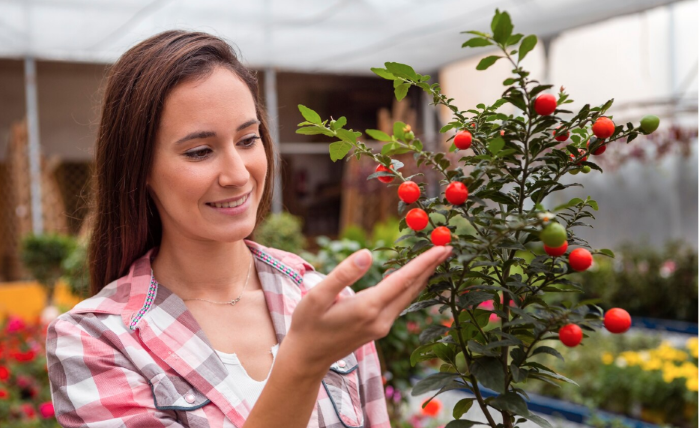
Healthy fruit-bearing trees are the backbone of thriving orchards and gardens. They contribute to environmental sustainability while providing delicious and nutritious produce. Whether you’re a backyard gardener or a professional orchardist, mastering the techniques to grow vibrant trees is essential. This guide covers proven methods for ensuring your trees achieve their full potential.
Preparing the Perfect Foundation
A strong tree starts with the right environment. Setting up optimal conditions ensures lasting health and productivity.
Soil Quality and Preparation
Healthy soil is the foundation of thriving trees. Perform a soil test to determine pH levels and nutrient makeup. Most fruit trees thrive in slightly acidic to neutral soil with pH levels between 6.0 and 7.0. Enrich poor soil with compost or organic matter to improve drainage and nutrient content before planting.
Proper Site Selection
Choose a location that offers ample sunlight. Most fruit trees need six to eight hours of direct sunlight per day. Avoid areas prone to waterlogging, as this can lead to root rot. Consider factors like wind protection and spacing to enable airflow and prevent pest infestations.
Planting Techniques for Optimal Growth
The planting process influences early root establishment and tree strength. Follow these techniques for successful tree placement.
Timing and Planting Depth
Plant trees during their dormant season, either in late fall or early spring. Dig a hole twice as wide and just as deep as the tree’s root ball to encourage outward root growth. Be cautious not to bury the crown; it should remain slightly above ground level.
Watering After Planting
Proper hydration is essential during the first few weeks after planting. Water the tree deeply but allow the soil to dry slightly between waterings. This encourages strong root penetration.
Nurturing Trees Throughout Their Lifespan
Once planted, ongoing care ensures trees remain robust and productive.
Smart Pruning Practices
Pruning is vital for shaping trees, removing diseased or damaged branches, and encouraging fruit production. Perform pruning during the dormant season, removing no more than one-third of the tree’s canopy at a time. This ensures balanced growth and keeps the tree healthy.
Mulching for Moisture Retention
Apply a 2-4 inch layer of organic mulch around the tree base, leaving a gap around the trunk to avoid rot. Mulch conserves soil moisture, regulates temperature, and suppresses weed growth.
Fertilization for Sustained Growth
Fruit trees require balanced nutrition to thrive. Use a slow-release, organic fertilizer high in nitrogen during the growing season. Be cautious with over-fertilization, as excess nutrients can result in vigorous foliage growth at the expense of fruit production.
Managing Pests and Diseases
Pests and diseases can derail even the healthiest trees, but proactive management strategies keep issues in check.
Integrated Pest Management (IPM)
Monitor trees regularly for signs of pests like aphids, mites, and caterpillars. IPM focuses on natural solutions, such as introducing beneficial insects like ladybugs or using horticultural oils to deter pests without harming the environment.
Disease Control
Common fruit tree diseases include apple scab, peach leaf curl, and bacterial cankers. Prevent problems by maintaining good tree hygiene, removing infected branches, and applying appropriate fungicides when necessary.
Watering and Irrigation Essentials
Proper watering is a balancing act. Too much water can suffocate roots, while too little leads to stress and reduced yields.
Techniques for Effective Irrigation
Drip irrigation is an efficient way to deliver water directly to the root zone, reducing waste and minimizing evaporation. Established trees typically need about an inch of water per week during the growing season, but adjust based on climate and rainfall.
Drought Preparedness
If you live in a dry area, consider planting drought-resistant trees or utilizing tree service in Utah to ensure they’re well-adapted to the environment. These professionals provide specialized advice tailored to regional conditions.
Harvesting and Long-Term Care
Healthy trees lead to bountiful harvests, but timing and technique influence the quality of your produce.
Determining Ripeness
Fruit should be picked when fully ripe for the best flavor and nutritional value. Ripeness indicators include changes in color, texture, and ease of detachment from the branch.
Post-Harvest Tree Maintenance
After harvest, focus on rejuvenating your trees for the next season. Remove any debris around the base, assess the health of the branches, and prepare the tree for dormancy with a deep watering.
Conclusion
Growing healthy, fruit-bearing trees involves dedication and a commitment to proven techniques. From soil preparation to pest control, each step contributes to a flourishing harvest. With proper care and regular maintenance, your trees will serve as a long-term source of nourishment, beauty, and pride. Cultivate wisely, and your efforts will undoubtedly yield fruitful rewards.
