


The energy industry is experiencing a rapid transformation as it adapts to evolving market demands, regulatory changes, technological advancements, and environmental considerations. In the midst of this transformation, fuel distribution services play a pivotal role in the operational framework that keeps economies running smoothly. The future of energy is closely intertwined with the evolution of fuel distribution practices, and this article explores the innovative strides that are reshaping this vital sector.
Understanding Fuel Distribution Today
Fuel distribution services encompass a complex network of activities including procurement, storage, transportation, and the eventual delivery of fuels to end-users. Currently, these services cater to a wide range of fuel types, such as petrol, diesel, aviation fuel, and more recently, biofuels and other sustainable alternatives. The structure and efficiency of these distribution networks are critical for ensuring energy security and economic stability worldwide.
The Role of Technology in Fuel Distribution
Technology has become the bedrock upon which modern fuel distribution services are built. Innovations such as real-time tracking systems, automated inventory management, and predictive analytics are revolutionising the way fuel is distributed. These technologies not only enhance operational efficiency but also improve safety and environmental compliance by reducing the risk of spills, leaks, and other hazards associated with the transportation of fuel.
Advancements in Logistics and Infrastructure
Advancements in logistics play a significant role in shaping the future of fuel distribution. Modern infrastructural improvements, including upgraded pipelines, state-of-the-art storage facilities, and innovative transportation fleets, enable fuel distribution to be quicker, more reliable, and more cost-effective. Tailored logistics solutions have also emerged to address the diverse needs of different regions, taking into consideration factors like distance, terrain, and climate.
Regulatory Framework and Fuel Distribution
The regulatory environment is a driving force behind many of the changes in the fuel distribution industry. With governments worldwide implementing stricter environmental regulations, fuel distribution service providers are compelled to adopt cleaner, more sustainable practices. These regulations often serve as a catalyst for the development and implementation of green initiatives within the industry, including the transition toward the distribution of alternative fuels that produce fewer emissions.
Challenges Faced by Fuel Distribution Services
Despite the innovative progress, fuel distribution services face a myriad of challenges that they must overcome to remain efficient and relevant. These include volatile fuel prices, geopolitical tensions affecting supply chains, evolving consumer expectations, and the urgent need to reduce carbon footprints. To navigate these challenges, fuel distributors are exploring new business models and strategic partnerships that enhance resilience and flexibility.
Integration of Renewable Energy Sources
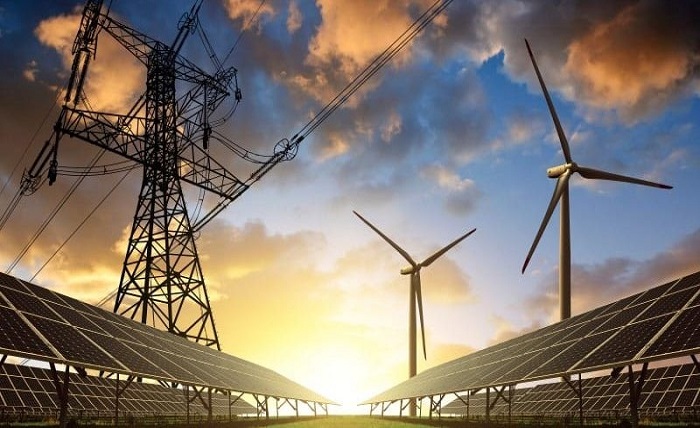
The integration of renewable energy sources into the existing fuel distribution networks is another significant trend. As the world moves towards a lower-carbon future, the delivery and storage of energy derived from solar, wind, and other renewable sources become increasingly important. Adapting the infrastructure to accommodate these new energy forms is a complex process that requires substantial investment and innovation.
Collaboration and Strategic Partnerships
To keep pace with the demands of modern fuel distribution, collaboration across industry stakeholders is vital. Strategic partnerships between fuel distributors, technology providers, governmental agencies, and end-users are essential for driving innovation and ensuring that the distribution network remains robust and aligned with global energy goals.
Customer-Centric Approaches
Customer expectations are reshaping fuel distribution services as well. There is a growing demand for more transparent, flexible, and efficient delivery processes. By adopting a more customer-centric approach, distributors are improving service quality while maximising customer satisfaction. This focus has led to more personalised service offerings and enhanced communication between distributors and their clients.
Investing in Safety and Security
Safety and security remain primal concerns for fuel distribution services. Given the hazardous nature of the materials being transported, distributors invest heavily in ensuring that operations adhere to the highest standards of safety. This includes regular staff training, implementation of advanced safety protocols, and adoption of cutting-edge security technologies to safeguard against theft and tampering.
The Future is Digital
The digitalisation of fuel distribution services is inevitable. From blockchain technology ensuring transparency in the supply chain to the use of drones for remote monitoring of pipelines and storage facilities, digital tools are transforming the landscape of fuel distribution. Embracing these technologies not only improves operational efficiency but also paves the way for better data-driven decision making.
Training and Development
As the industry continues to evolve, the importance of ongoing training and development for those within the fuel distribution sector cannot be overstated. Ensuring that staff are equipped with the latest knowledge and skills is crucial for maintaining the high standards expected in the industry and for fostering a culture of continuous improvement.
Conclusion: Preparing for a Sustainable Future
The future of energy logistics is a complex tapestry of new technology, regulatory shifts, and emerging consumer demands. Innovations in fuel distribution services are at the forefront of this change, playing a critical role in shaping a sustainable and reliable energy future. By staying ahead of these developments, fuel distributors are not only enhancing their operations but also contributing to a greener and more efficient world.
What remains clear is that as the energy landscape continues to evolve, the fuel distribution industry will have to remain agile, innovative, and steadfast in its commitment to excellence. By embracing the transformative power of innovation, the sector can anticipate the needs of tomorrow and navigate the future of energy with confidence.
