


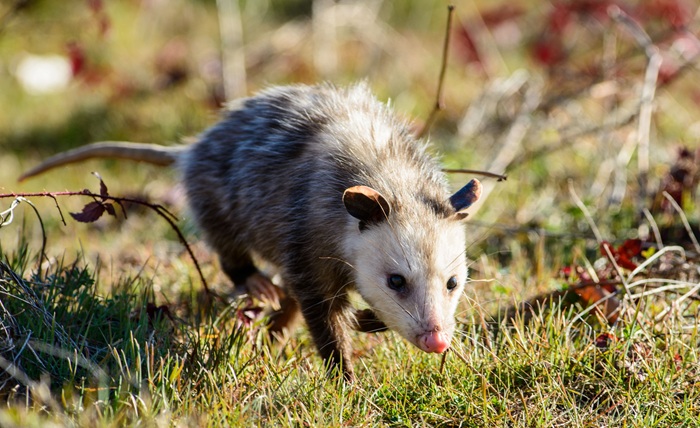
Protecting your property from the invasive activities of possums is of paramount importance for homeowners. These nocturnal creatures, although generally harmless, can cause extensive damage if they take up residence in your loft or frolic in your garden. Understanding the best pest control for possums is an ongoing challenge that requires strategic planning and a multi-faceted approach.
Understanding Possum Habits
Before delving into possum control measures, it is crucial to acknowledge their natural behaviour. Possums are opportunistic omnivores, often attracted by easy food sources such as exposed rubbish bins, pet food, and readily available garden produce. They are also known to seek shelter in the roof cavities of residential homes for nesting, which can lead to noise disturbances and structural damage.
Importance of Possum Management
Active possum management safeguards both your home’s integrity and the well-being of your garden. Unchecked possum activity can result in chewed electrical wires, contaminated insulation, and disturbed sleep due to their nocturnal antics. From a horticultural perspective, possums can defoliate ornamental plants, negatively impacting your garden’s aesthetic and ecological value.
Identifying Signs of Possum Presence
To initiate effective possum control, recognition of their presence is essential. Distinctive signs include droppings, damage to fruits and vegetables, scratch marks on trees, and the characteristic thumping noise as they traverse the roof. Once identified, homeowners can take appropriate measures to deter and manage these marsupials.
Preventive Measures in the Home
Sealing entry points is a fundamental preventive step in deterring possums from occupying your property. This includes patching up any broken tiles, securing vents, and ensuring that chimneys are appropriately capped. It is also beneficial to trim any branches that may provide easy access to your roof, thus making entry less appealing or accessible.
Deterring Possums from Gardens
In the garden, homeowners can deploy several deterrents to dissuade possum foraging. These include motion-activated lights or sprinklers, the use of secure compost bins, and the application of non-toxic, possum-repelling substances around vulnerable plants. Netting or fencing can also provide barriers to protect prized vegetation.
Humane Removal
Should possums become an inhabitant of your property, it is essential to approach their removal humanely, respecting their protected status under local wildlife laws. Engaging a licensed possum removalist can ensure that these animals are appropriately handled and relocated in compliance with statutory requirements.
Professional Assistance
The complexity of effective possum control may necessitate the involvement of professionals. Services specializing in managing these creatures can offer targeted solutions and ongoing support. An expert will be able to assess the extent of the possum activity, identify their entry points, and tailor a control plan suited to your specific needs.
Long-term Management Tactics
While the immediate removal of possums addresses the current issues, establishing long-term management tactics ensures ongoing protection. This might include regular inspections of roofs and gardens, maintenance of deterrents, and fostering an environment that is less attractive to possum incursions.
Legal Considerations
When planning for possum management, it is crucial to be aware of legal considerations. Possums are often protected species, and their treatment must adhere to wildlife conservation laws. Familiarizing oneself with these regulations and working within their constraints is key to an ethical and lawful possum control strategy.
Effective Control Strategies
Combining deterrents, physical barriers, and habitat modification creates an overall strategy that can be highly effective. This includes methods such as securing rubbish bin lids to reduce food sources, installing roof guards to prevent entry, and using possum boxes to offer alternative habitats outside your home.
Educational Outreach
Education plays a central role in possum management. Understanding possum behaviour and their ecological contribution can foster a balanced approach to control. Additionally, community awareness initiatives can help disseminate effective techniques for managing possum populations humanely.
Choosing the Right Control Service
Homeowners looking for professional assistance should select a service that aligns with their values and expectations. A reputable and experienced possum control service will provide transparent communication, humane handling, and a guarantee of service quality.
Conclusion
In conclusion, effective possum control requires a multi-dimensional approach that includes preventative maintenance, humane removal, professional services, and legal conformity. By establishing long-term management procedures and fostering communal education, homeowners can protect their homes and gardens while cohabiting respectfully with local wildlife.
For those seeking professional assistance, reaching out to a trusted provider of pest control for possums can provide the expertise necessary for peace of mind and the preservation of your property. With these measures in place, the delicate balance between human habitation and wildlife can be successfully maintained.
