


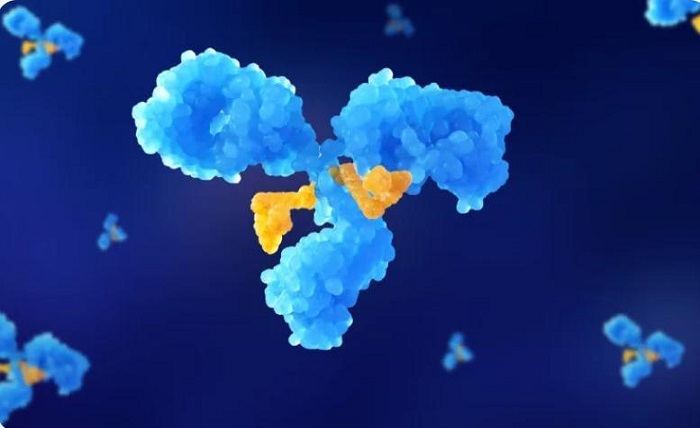
Antibody-drug conjugates (ADCs) represent a transformative leap in cancer therapy, seamlessly fusing the targeting prowess of antibodies with the lethal capacity of cytotoxic drugs. Their success in oncology can be attributed to meticulously engineered components and groundbreaking innovations that ensure selective tumor targeting while sparing healthy tissues. This approach revolutionizes precision medicine, offering hope for treating diverse cancers that were previously challenging. Delving into the complexities of ADC components and the scientific breakthroughs driving their efficacy reveals why these agents are considered pivotal in oncology today. Understanding these factors beneath the surface is crucial for comprehending ADCs’ burgeoning role in reshaping cancer treatment paradigms across the globe.
Understanding ADC Series Components
Effective ADC design hinges on selecting optimal monoclonal antibodies, linkers, and cytotoxic payloads. Each component of adc series plays a distinct role, contributing to the ADC’s ability to precisely deliver anti-cancer agents within a tumor microenvironment.
Monoclonal Antibodies: Targeting Tumor Antigens
Monoclonal antibodies (mAbs) serve as ADC guidance systems, specifically recognizing and binding to tumor-associated antigens. By harnessing these antibodies, researchers can direct therapeutic agents precisely to malignant cells. The selection process for mAbs prioritizes high affinity and specificity to various cancer antigens, ensuring minimal off-target effects. This specificity facilitates effective ADC accumulation within tumor tissues following intravenous administration. mAbs’ ability to distinguish between normal and cancerous cells underpins the ADC series’ clinical success. Its interaction with cell surface receptors begins a sequence of events that culminates in internalization, facilitating payload delivery where it’s needed most. Ensuring mAbs maintain stability throughout circulation and accurately recognize target antigens translates to enhanced therapeutic outcomes.
Linkers: Ensuring Stability and Controlled Release
The linker in ADCs is pivotal, responsible for bonding the cytotoxic drug to the antibody. Innovations in linker chemistry have focused on improving serum stability while ensuring precise cleavage in the tumor milieu. Stable linkers prevent premature payload release during circulation, minimizing systemic toxicity. Conversely, linkers must undergo efficient cleavage within the target cell, usually through enzymatic processes or lower pH environments, to release the cytotoxic agent. Effective control over the release mechanism ensures the payload acts specifically within cancer cells. These advances in linker design significantly enhance ADCs’ therapeutic window, balancing between effective drug delivery and minimal adverse effects, which is essential for patient safety and drug efficacy.
Cytotoxic Payloads: Delivering Potent Anti-Cancer Agents
Payloads form the destructive core of ADCs, attacking malignant cells post internalization. Scientists have optimized these small, highly potent drugs to remain inert until ADCs penetrate cancer cells. Common payload classes include microtubule inhibitors and DNA-damaging agents, which disrupt vital cellular processes. The potency of these agents means that even limited drug release can induce effective cell death. Their integration into ADCs significantly amplifies therapeutic potential by maximizing treatment efficacy at low doses. Engineers ensure that cytotoxic agents remain shielded until precisely delivered within tumor cells, preventing damage to non-cancerous tissues. This meticulous engineering effort maximizes benefits while limiting collateral effects on healthy cells.
Innovations Driving ADC Success
Innovations in ADC science propel its oncological successes. Cutting-edge developments in several key areas fuel their effectiveness and broaden therapeutic horizons.
Advances in Linker and Payload Technologies
Recent movements in linker and payload advancements have driven ADC innovations, focusing on building more stable, selective linkers and designing increasingly potent payloads. Novel linkage systems minimize premature systemic release, enhancing payload delivery. Payload improvements concentrate on small molecular size but heightened potency, allowing more effective cancer cell eradication. Additionally, site-specific conjugation improves ADC homogeneity, optimizing elemental composition and function. These enhancements improve safety profiles and help achieve sustained, robust therapeutic effects. Collectively, advancements in these core ADC components elevate their therapeutic potential, reinforcing ADCs’ reputation as formidable contenders in modern oncology treatment strategies.
Integration of AI in ADC Development
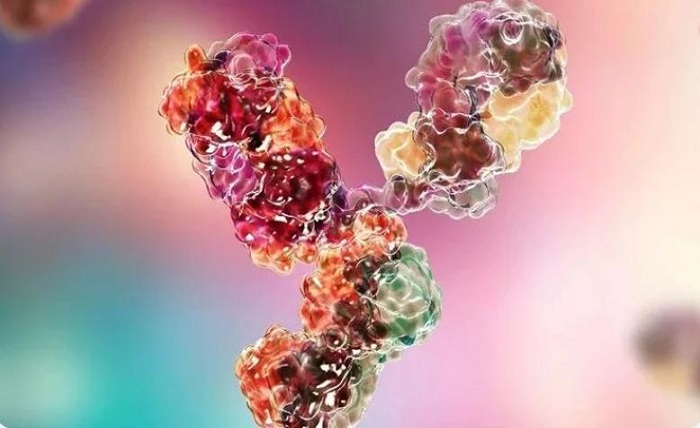
AI’s integration into ADC development marks a substantial innovation leap, facilitating accelerated research and optimization processes. Machine learning models predict protein-ligand interactions, identifying promising candidates for ADC components. AI also powers simulations optimizing linker and payload structures, ensuring stability and specificity. Additionally, algorithms analyze complex biomarker datasets, assisting in precision-targeted therapy designs and patient selection. By harnessing AI, researchers reduce developmental timelines and increase precision, pushing the boundaries of what’s possible in ADC engineering. This technological partnership enables more rapid, efficient advances, driving the future of personalized cancer care.
Strategic Partnerships and Collaborations
The ADC landscape benefits significantly from strategic collaborations between pharmaceutical companies, biotech firms, and academic institutions. Such partnerships foster knowledge exchange, resource sharing, and combined expertise that fuel ADC advancements. By uniting specialized expertise and innovative technologies, these collaborations accelerate the translation of research into viable therapies. Joint efforts ensure comprehensive, multidisciplinary approaches encompassing all phases from discovery to clinical application. Through partnerships, stakeholders maximize their collective potential to enhance therapeutic reach and success rates, establishing ADCs as a crucial component of modern oncology landscapes.
Future Perspectives of ADC Series in Oncology
The future of ADCs in oncology looks promising as ongoing research continues to explore their full potential. Efforts focus on expanding ADC efficacy across different cancer types, with innovations aimed at overcoming limitations like tumor heterogeneity and resistance mechanisms. As precision medicine continues to evolve, ADCs are poised to deliver even more refined, targeted therapies tailored to individual patient profiles. Furthermore, collaborations with AI technologies and advanced biomarker analyses are likely to enhance innovation, offering new cancer treatment possibilities. The sustained growth in ADC research and application underscores its vital role in progressing toward more effective and personalized oncology solutions.
Conclusion
ADCs have emerged as powerful tools in oncology, combining targeted delivery with potent cytotoxic action. Their success is built on innovative components, precision targeting of cell antigens, and strategic systemic delivery of chemotherapeutic agents. With advances in technology, partnerships, and methodologies, ADCs reflect the future of oncological therapies. As research escalates, so too does the potential for improved patient outcomes, heralding a new era of precision medicine in the fight against cancer.
