


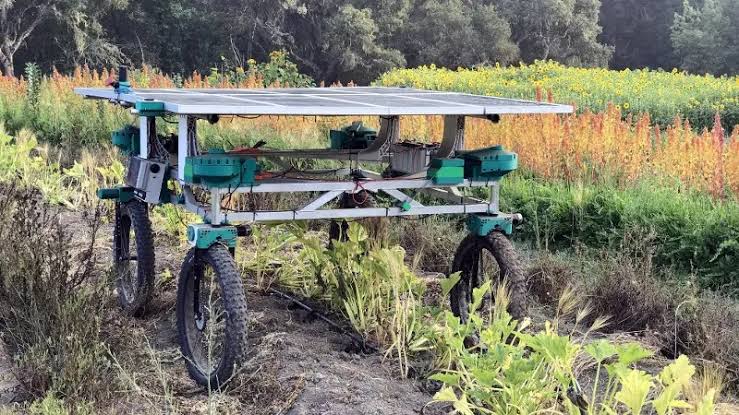
Developing a piece of agricultural hardware is only part of the work involved in bringing it to market. A sensor, irrigation controller, feeder or compact processing machine has to perform reliably in real conditions, make sense to the people using it and be easy for prospective buyers to evaluate. For small teams in particular, progress depends on coordinating product development with testing, documentation and a practical plan for reaching customers.
That coordination matters because farm equipment is judged in a demanding environment. Dust, moisture, vibration, temperature swings and seasonal workloads can reveal weaknesses that a workshop test will miss. A product can be technically clever and still struggle if it is awkward to maintain, difficult to set up or poorly explained.
Start with a specific farm problem
Before refining a feature list, identify the task the product is meant to improve. Talk to people who do that task, and ask how they handle it now, what takes the most time and what tends to fail. A grower may need more reliable soil-moisture readings, while a livestock operator may care most about cleaning access and battery life. The difference affects both the design and the way you describe the product.
Keep early conversations concrete. Ask users to walk through a normal workday or show where an existing tool fits into the process. Their feedback can expose practical constraints that are easy to overlook from a design desk: gloves make small controls hard to use, a mounting point is inaccessible, or a device needs to be checked from a distance. Record these observations and rank them by frequency and consequence, rather than treating every suggestion as an immediate requirement.
Test the whole system, not just the component
A prototype should be evaluated as it will actually be used. For a connected device, that means testing the sensor, enclosure, power supply, software and communications together. A clear reading in a laboratory does not guarantee dependable data in a metal shed or across a large field. Similarly, an irrigation controller should be tested with the valves, cables and water pressure it is expected to manage.
Plan trials around realistic operating conditions and include users who are not involved in the design. Give them a short setup guide and observe where they hesitate or make mistakes. Ask what they would do if the device stopped responding, and whether they can identify a fault without specialist tools. These observations help teams improve both the hardware and the instructions before a product reaches a wider audience.
It is also useful to define measurable acceptance criteria. Battery endurance, cleaning time, accuracy under specified conditions and recovery after a connection loss are more informative than a general goal such as “works well.” Keep a record of test versions and changes. This makes it easier to identify whether an improvement solved the original problem or simply moved it elsewhere.
Make installation and support part of the design
Farm operators often have limited time to learn a new device during a busy season. Clear labels, sensible connectors, accessible service points and a straightforward setup sequence reduce the effort required to adopt it. Documentation should explain what is included, how to install the equipment, what normal operation looks like and what to check when something goes wrong.
Support planning can uncover design problems, too. If a routine repair requires shipping the entire unit back, consider whether a replaceable module or a more accessible fastener would reduce downtime. If users need to contact support to interpret a warning, the interface or manual may need more work. Treat questions from early users as product feedback, not just customer-service tasks.
Explain the product clearly online
A useful product page answers the questions a buyer is likely to ask before requesting a quote: what problem the device addresses, which crops or operations it suits, how it is installed, what systems it works with and what maintenance it needs. Include specifications in plain language and distinguish tested performance from targets or estimates. Photos of the product in use can clarify scale and installation far better than polished images alone.
Search visibility is part of this education. Buyers may search for a particular problem or task rather than know a new product name. Helpful articles, comparison pages and installation guidance can connect those questions to a solution, provided the content is accurate and genuinely useful. Teams planning that work can explore the iCopify blog’s SEO and link-building guides for ideas about publishing and earning relevant industry coverage. A backlink strategy should support strong product information, not substitute for it.
Use outside expertise without losing control
A small product team may not need permanent specialists in every discipline. Freelancers can help with a defined task such as firmware testing, CAD drawings, technical illustration, translation or a first draft of user documentation. Marketplaces such as Osdire cover a broad range of services, including programming, design, writing and marketing. Before commissioning work, describe the deliverable, file formats, deadlines and review process. For hardware, clarify ownership of source files and any confidentiality requirements as well.
Keep technical decisions and final review close to the team. An outside writer can make a manual easier to follow, but an engineer or field tester should confirm that its instructions are safe and correct. A designer can improve a dashboard, but users should test whether the updated layout helps them complete the task.
Bringing agricultural hardware to market is a sequence of learning, not a single launch moment. A focused problem, realistic field trials, maintainable design and clear information give a product a stronger chance of fitting into working routines. When teams treat customer understanding and communication as part of engineering, they can make better decisions before production costs and expectations grow.