


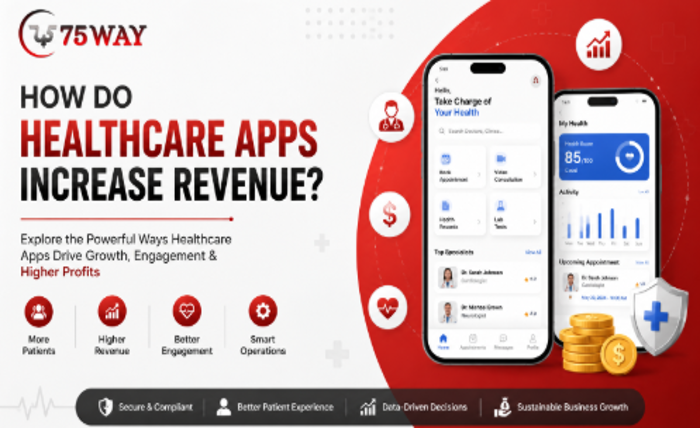
The healthcare industry has experienced a remarkable digital transformation over the past decade. Patients no longer rely solely on phone calls or in-person visits to manage their healthcare needs. Instead, they expect convenient digital experiences that allow them to book appointments, consult doctors remotely, access medical records, and make payments from their smartphones. This shift in consumer behavior has made healthcare app development a strategic investment for healthcare providers looking to improve patient care while driving business growth.
Today, hospitals, clinics, diagnostic laboratories, pharmacies, and healthcare startups are embracing mobile applications to stay competitive in an increasingly digital marketplace. Beyond improving operational efficiency, healthcare apps create multiple revenue streams, enhance patient retention, and reduce administrative costs. Organizations investing in professional healthcare app development services are discovering that a well-designed application is no longer just a convenience; it’s a powerful business asset.
This article explores how healthcare apps increase revenue, the features that contribute to profitability, and why choosing the right development partner is essential for long-term success.
The Growing Business Value of Healthcare Apps
Healthcare applications bridge the gap between providers and patients by making medical services accessible anytime and anywhere. Instead of waiting on hold to schedule appointments or visiting healthcare facilities for routine consultations, patients can complete many healthcare-related tasks with just a few taps on their smartphones.
This convenience benefits patients while helping healthcare organizations streamline operations and maximize revenue opportunities. Every interaction within the application- from appointment scheduling to online consultations, creates opportunities to improve efficiency, increase patient satisfaction, and generate additional income.
As healthcare continues to embrace digital transformation, organizations without mobile solutions risk losing patients to competitors that offer faster, more convenient healthcare experiences.
Expanding Patient Reach and Increasing Appointments
One of the most direct ways healthcare app development contributes to higher revenue is by increasing patient acquisition. A mobile application removes many of the barriers that prevent patients from seeking medical care. When users can easily search for specialists, view available appointment slots, and schedule consultations at their convenience, they are far more likely to choose that provider over one with a complicated booking process.
Healthcare apps also improve online visibility. Patients searching for medical services often prefer providers that offer digital convenience, especially younger generations who expect mobile-first experiences. By providing an easy-to-use application, healthcare organizations can attract new patients who may have otherwise chosen competing providers.
As appointment bookings increase, healthcare providers naturally experience greater revenue without significantly expanding physical infrastructure.
Improving Patient Retention Through Continuous Engagement
While attracting new patients is important, retaining existing patients often provides even greater financial benefits. Repeat patients generate consistent revenue over time and are more likely to purchase additional healthcare services.
Healthcare apps help maintain long-term relationships by keeping patients engaged between appointments. Medication reminders, health notifications, follow-up scheduling, personalized wellness tips, and preventive care alerts encourage patients to continue interacting with their healthcare provider instead of seeking alternatives.
This ongoing engagement builds trust and loyalty. Patients who regularly use a healthcare application are more likely to return for future consultations, annual checkups, diagnostic tests, and specialized treatments. As patient lifetime value increases, overall business revenue grows steadily.
Telemedicine Creates New Revenue Opportunities
Telemedicine has transformed healthcare delivery by removing geographical limitations. Instead of restricting services to local patients, healthcare providers can now consult individuals across cities, states, or even countries where regulations permit.
A healthcare application equipped with secure video consultation capabilities enables doctors to schedule more appointments throughout the day while minimizing cancellations and missed visits. Patients appreciate the convenience of receiving professional medical advice without traveling, especially for routine follow-ups or minor health concerns.
For healthcare organizations, a telemedicine app opens an entirely new source of revenue without requiring additional clinical space or significant operational expansion. Professional healthcare app development services ensure these virtual consultation platforms remain secure, scalable, and compliant with healthcare regulations.
Streamlining Administrative Operations
Operational efficiency directly impacts profitability. Healthcare providers often spend considerable time managing appointment scheduling, patient registration, billing, record keeping, and communication. These administrative processes consume valuable staff hours that could otherwise be devoted to patient care.
Healthcare applications automate many of these repetitive tasks. Appointment scheduling becomes seamless, patient information is stored digitally, and billing processes become faster and more accurate. Administrative teams can manage higher patient volumes with the same workforce, reducing operational costs while improving overall productivity.
Lower operating expenses combined with higher patient capacity create stronger profit margins and better financial performance.
Digital Payments Accelerate Cash Flow
Another significant advantage of healthcare apps is the ability to process payments digitally. Traditional payment methods often lead to delays, missed invoices, or manual reconciliation efforts. Integrated payment gateways simplify financial transactions by allowing patients to pay consultation fees, purchase healthcare packages, settle laboratory charges, and order medications directly within the application.
Faster payment collection improves cash flow while reducing administrative work associated with billing. Patients also appreciate the convenience of secure online transactions, which contributes to a better overall healthcare experience.
Subscription-Based Healthcare Services Generate Recurring Income
Modern healthcare businesses are increasingly adopting subscription models to create predictable monthly revenue. Instead of relying solely on one-time consultations, providers can offer membership programs that include routine health checkups, unlimited virtual consultations, chronic disease management, wellness coaching, or family healthcare plans.
Healthcare applications make managing these subscriptions simple for both patients and providers. Members can monitor their benefits, renew plans, and access exclusive services through the app, creating stronger customer loyalty and recurring income throughout the year.
This recurring revenue model provides greater financial stability while strengthening long-term patient relationships.
Pharmacy and Diagnostic Service Integration
Healthcare applications often serve as comprehensive healthcare ecosystems by integrating pharmacies and diagnostic laboratories into a single platform. After consulting a physician, patients can immediately upload prescriptions, order medications, schedule home delivery, or book laboratory tests without leaving the application.
This integrated experience increases convenience while creating additional revenue opportunities beyond doctor consultations. Patients are also more likely to continue using services within the same healthcare ecosystem rather than switching to external providers.
As a result, healthcare organizations benefit from increased transaction volume across multiple service lines.
Personalized Healthcare Enhances Customer Value
Artificial intelligence and data analytics have significantly enhanced the capabilities of healthcare applications. Modern apps can analyze patient behavior, medical history, lifestyle patterns, and health metrics to provide personalized recommendations.
Whether suggesting preventive screenings, reminding patients about routine checkups, or recommending wellness programs, personalization encourages greater patient engagement. Patients who receive relevant healthcare guidance are more likely to participate in additional services, increasing average revenue per user.
AI-powered personalization also strengthens patient trust by demonstrating a proactive approach to healthcare management.
Better Patient Experience Leads to Higher Referrals
Patient satisfaction plays a major role in healthcare business growth. Individuals who enjoy convenient, efficient, and personalized healthcare experiences are far more likely to recommend their providers to family members, friends, and colleagues.
Healthcare applications improve the overall patient journey by reducing waiting times, simplifying communication, enabling faster appointment scheduling, and providing easy access to medical records. These improvements create positive experiences that naturally encourage referrals.
Word-of-mouth recommendations remain one of the most cost-effective marketing channels, allowing healthcare providers to acquire new patients without substantial advertising expenses.
Valuable Business Insights Through Analytics
Every interaction within a healthcare application generates valuable data that can support better business decisions. Healthcare organizations can monitor appointment trends, patient demographics, frequently requested services, cancellation rates, and revenue performance through integrated analytics dashboards.
These insights allow providers to identify growth opportunities, optimize staffing, improve marketing campaigns, and introduce new healthcare services based on actual patient demand. Data-driven decision-making helps maximize profitability while continuously improving service quality.
Choosing the Right Healthcare App Development Partner
Building a successful healthcare application requires more than an attractive design and advanced features. Healthcare businesses must comply with strict security regulations while ensuring patient information remains protected at all times.
Experienced healthcare app development services understand the complexities of the healthcare industry and develop applications that prioritize security, scalability, and regulatory compliance. A professional development team can integrate electronic health records, payment gateways, telemedicine functionality, wearable device connectivity, and AI-powered features into a seamless digital platform.
When selecting a development partner, healthcare organizations should look for expertise in healthcare regulations, secure cloud infrastructure, third-party integrations, user experience design, and ongoing technical support. Investing in quality development from the beginning reduces long-term maintenance costs and ensures the application remains adaptable to future technological advancements.
The Future of Revenue-Generating Healthcare Apps
Healthcare technology continues to evolve rapidly. Innovations such as remote patient monitoring, wearable device integration, artificial intelligence, predictive analytics, blockchain-based medical records, and Internet of Things (IoT) connectivity are reshaping patient care.
Organizations investing in healthcare app development today are positioning themselves to capitalize on these emerging technologies. As digital healthcare adoption continues to rise worldwide, businesses that embrace innovation will be better equipped to attract new patients, improve operational efficiency, and build sustainable revenue streams.
The future belongs to healthcare providers who view technology not merely as a support tool but as a strategic driver of business growth.
Conclusion
Healthcare applications have evolved from optional digital tools into essential business platforms that improve patient experiences while increasing revenue across multiple channels. By simplifying appointment scheduling, enabling telemedicine, integrating pharmacies and diagnostic services, automating administrative tasks, and fostering long-term patient engagement, these applications create measurable financial benefits for healthcare organizations.
Investing in professional healthcare app development allows providers to modernize their operations, strengthen patient relationships, and unlock new opportunities for sustainable growth. With the support of reliable healthcare app development services, healthcare businesses can build secure, scalable, and innovative applications that not only improve patient care but also deliver lasting competitive advantages in an increasingly digital healthcare landscape.
Frequently Asked Questions
1. How does healthcare app development help increase revenue?
Healthcare app development increases revenue by improving patient acquisition, enabling telemedicine, automating administrative processes, supporting online payments, and creating recurring income through subscription-based healthcare services.
2. Which healthcare businesses benefit most from healthcare app development services?
Hospitals, clinics, diagnostic laboratories, pharmacies, telemedicine providers, healthcare startups, wellness centers, and multi-specialty healthcare organizations can all benefit from healthcare app development services.
3. What features should a revenue-generating healthcare app include?
A successful healthcare app should offer appointment scheduling, telemedicine, electronic health records, secure payment integration, prescription management, patient notifications, analytics, and AI-powered personalization to maximize user engagement and business growth.
4. Are healthcare apps secure enough to store patient information?
Yes. Applications developed by experienced healthcare app development services use advanced encryption, secure authentication, cloud security, and compliance standards such as HIPAA to protect sensitive patient data.
5. Why should healthcare organizations invest in healthcare app development now?
Growing patient demand for digital healthcare, remote consultations, personalized care, and convenient mobile experiences makes healthcare app development a valuable investment for improving operational efficiency, enhancing patient satisfaction, and driving long-term revenue growth.
